


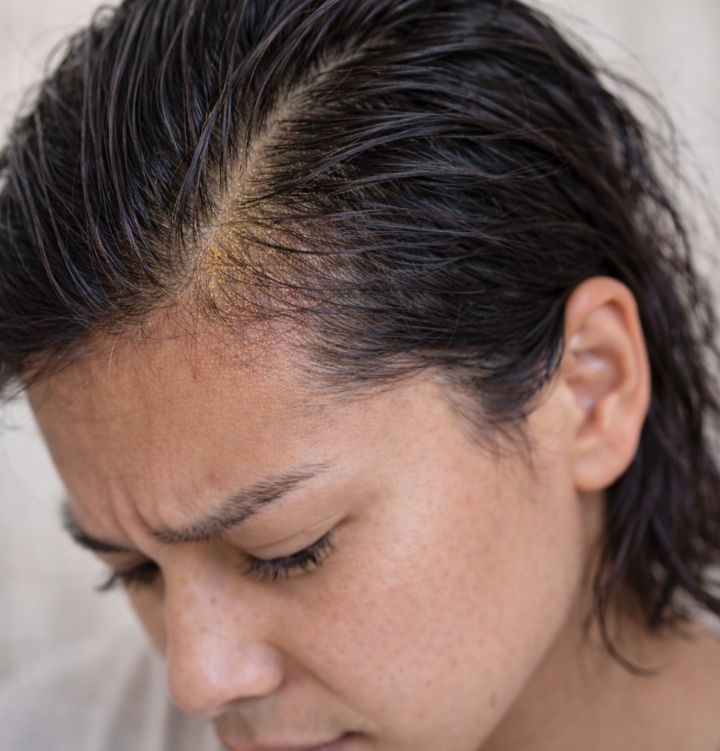
If your scalp continues to have an unpleasant odor even after shampooing, you’re not alone. While washing your hair should remove dirt, sweat, and oil, persistent scalp odor often points to an underlying issue that regular cleansing may not fully address.
From excess oil production to scalp conditions and product buildup, several factors can contribute to lingering odors. Understanding the cause is the first step toward finding an effective solution.
Common Reasons Your Scalp Smells After Washing
Excess Oil on the Scalp
Your scalp naturally produces sebum, an oil that helps protect and moisturize the skin and hair. However, when too much oil accumulates, it can combine with sweat, dead skin cells, and bacteria, creating an unpleasant smell.
People with naturally oily scalps may notice that odors return quickly after washing.
Product Residue
Frequent use of styling products such as gels, pomades, oils, and dry shampoos can leave residue behind. Over time, this buildup may trap dirt and microorganisms, contributing to scalp odor.
Fungal or Bacterial Imbalance
The scalp is home to various microorganisms, including bacteria and yeast. When these organisms multiply excessively, they can produce unpleasant odors and may also cause itching, irritation, or flaking.
Dandruff and Scalp Conditions
Conditions such as dandruff or seborrheic dermatitis can lead to inflammation and increased oil production, which may contribute to a noticeable smell even after washing.
Inadequate Cleansing
Sometimes the issue isn’t how often you wash but how effectively you cleanse. Shampoo that isn’t thoroughly massaged into the scalp may leave behind oil, sweat, and buildup.
Excessive Sweating
Frequent exercise, hot weather, or wearing head coverings for extended periods can increase sweat accumulation on the scalp, creating an environment where odor-causing microbes thrive.
How to Eliminate Scalp Odor
Use a Deep-Cleansing Shampoo
A clarifying shampoo can help remove stubborn buildup, excess oil, and residue that regular shampoos may not fully eliminate. Using one occasionally can leave your scalp feeling cleaner and fresher.
Focus on the Scalp
When washing your hair, concentrate on cleansing the scalp rather than just the hair strands. Gently massaging shampoo into the scalp helps lift debris and improve cleanliness.
Try an Anti-Dandruff Shampoo
If scalp odor is accompanied by flakes or itching, a medicated shampoo designed to combat dandruff may help reduce the underlying cause.
Clean Hair Accessories Regularly
Brushes, combs, hats, scarves, pillowcases, and hair wraps can collect oil and bacteria. Washing or disinfecting these items regularly can prevent odors from transferring back to your scalp.
Reduce Heavy Product Use
Applying too many styling products can contribute to buildup. Using lighter products and washing them out thoroughly can help keep your scalp fresh.
Ensure Hair Dries Properly
A damp scalp can encourage the growth of odor-causing microorganisms. After washing, make sure your hair and scalp dry completely.
Natural Options to Consider
Some people find that certain natural treatments help improve scalp freshness, including:
- Diluted apple cider vinegar rinses
- Tea tree oil-infused products
- Aloe vera treatments
These remedies may be helpful for some individuals, but it’s important to test them carefully, especially if you have sensitive skin.
When Professional Help May Be Needed
If the odor persists despite proper scalp care, a dermatologist may be able to identify an underlying condition.
Seek medical advice if you experience:
- Persistent itching
- Severe flaking
- Red or inflamed skin
- Scalp pain
- Unexplained hair thinning or hair loss
- Ongoing odor that doesn’t improve with treatment
Final Thoughts
A lingering scalp odor after washing is often caused by factors such as excess oil, product buildup, fungal overgrowth, or scalp conditions like dandruff. Fortunately, improving your scalp care routine and addressing the root cause can often resolve the issue.
If regular cleansing and targeted treatments don’t help, consulting a dermatologist can provide clarity and guide you toward the most effective solution for a healthier, fresher scalp.