


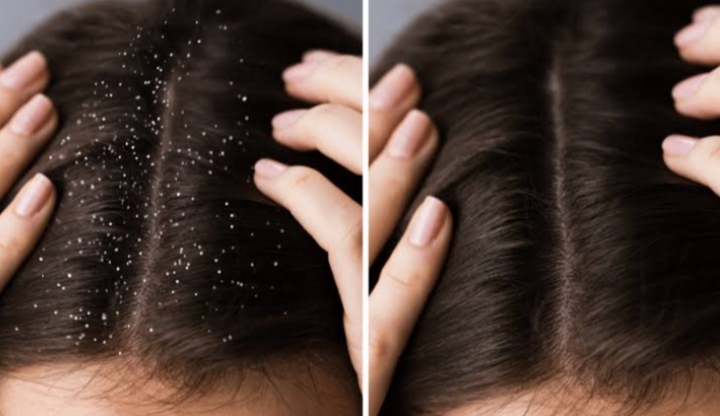
Scalp flakes are a common concern, but they don’t always have the same cause. Many people mistake a dry scalp for dandruff, while others use the wrong treatments and wonder why the problem persists. Although both conditions can cause itching and visible flakes, they develop for different reasons and require different approaches to treatment.
Learning how to distinguish between dandruff and a dry scalp can help you choose the most effective solution and improve your overall scalp health.
Understanding Dry Scalp
A dry scalp develops when the skin on your head doesn’t retain enough moisture. This lack of hydration can cause the scalp to become irritated, flaky, and uncomfortable.
Several factors can contribute to a dry scalp, including:
- Dry or cold weather conditions.
- Frequent hair washing.
- Harsh hair care products.
- Excessive use of heat styling tools.
- Dehydration.
- Certain skin conditions.
People with a dry scalp often experience tightness, itchiness, and small flakes that easily fall from the hair.
What Causes Dandruff?
Dandruff is a scalp condition that is often linked to excess oil production and the growth of a naturally occurring yeast on the scalp. This can speed up the shedding of skin cells, resulting in noticeable flakes.
Common factors associated with dandruff include:
- Oily skin and scalp.
- Sensitivity to hair care products.
- Hormonal fluctuations.
- Stress.
- Conditions such as seborrheic dermatitis.
Unlike a dry scalp, dandruff is usually associated with larger, oilier flakes.
Key Differences Between Dandruff and Dry Scalp
Appearance of Flakes
Dry Scalp
- Small, fine white flakes.
- Dry and powdery texture.
- Flakes fall away easily.
Dandruff
- Larger flakes.
- White or yellowish in color.
- Often appear oily or sticky.
Condition of the Scalp
Dry Scalp
- Feels dry, tight, or rough.
- Lacks excess oil.
- May become irritated due to dehydration.
Dandruff
- Often accompanied by an oily scalp.
- May involve redness or inflammation.
- Frequently causes persistent itching.
Additional Clues
Dry Scalp
- Dryness may affect other areas of the body.
- Symptoms often worsen during colder months.
Dandruff
- Flakes may be more visible on clothing.
- Symptoms can flare up during periods of stress or hormonal changes.
How to Treat a Dry Scalp
The primary goal of treatment is to restore moisture and protect the scalp’s natural barrier.
Use Moisturizing Hair Products
Choose gentle shampoos designed to hydrate rather than strip away natural oils.
Apply Nourishing Ingredients
Products containing ingredients such as aloe vera, coconut oil, glycerin, or shea butter can help soothe and moisturize the scalp.
Wash With Lukewarm Water
Hot water can worsen dryness, so it’s best to use warm or lukewarm water when washing your hair.
Stay Hydrated
Proper hydration supports healthy skin, including the scalp.
Avoid Excessive Washing
Shampooing too often can remove natural oils and increase dryness.
How to Manage Dandruff
Treating dandruff involves controlling excess oil, reducing flaking, and addressing scalp irritation.
Choose an Anti-Dandruff Shampoo
Look for shampoos formulated with active ingredients such as:
- Ketoconazole.
- Zinc pyrithione.
- Selenium sulfide.
- Salicylic acid.
- Coal tar.
These ingredients can help reduce dandruff-causing factors and improve scalp health.
Cleanse the Scalp Regularly
Regular washing helps remove excess oil and prevent the accumulation of flakes.
Identify Product Triggers
Some hair products can aggravate dandruff symptoms. If irritation occurs after using a particular product, consider switching to a gentler alternative.
Reduce Stress Levels
Stress is known to trigger or worsen dandruff in some individuals, making stress management an important part of treatment.
When Professional Advice Is Needed
If scalp flakes continue despite proper treatment, or if you experience severe itching, redness, swelling, or discomfort, it’s a good idea to consult a dermatologist.
Persistent symptoms may be linked to conditions such as:
- Seborrheic dermatitis.
- Psoriasis.
- Eczema.
- Fungal scalp infections.
A professional evaluation can help determine the exact cause and guide appropriate treatment.
Final Thoughts
Although dandruff and dry scalp often look similar, they are distinct conditions with different underlying causes. A dry scalp results from a lack of moisture, while dandruff is typically associated with excess oil and increased skin cell turnover.
Recognizing the differences between the two can help you choose the right treatment and achieve better scalp health. With proper care and the appropriate products, most cases of dandruff and dry scalp can be effectively managed.