


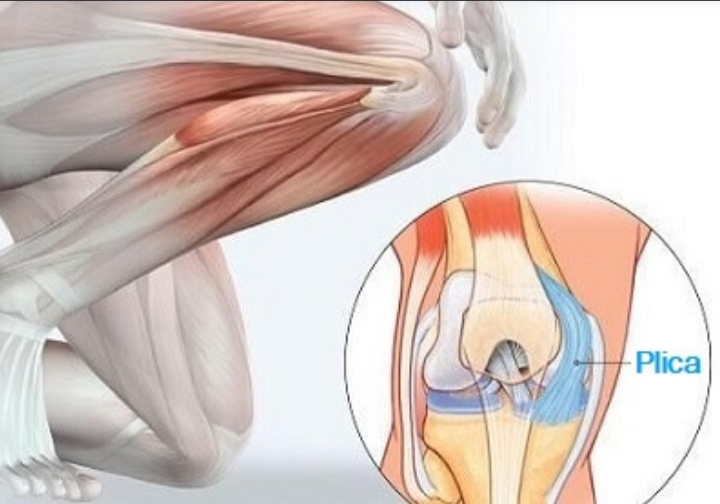
Knee pain is commonly linked to issues like ligament injuries, meniscus tears, or arthritis. However, there is another less familiar cause that can lead to ongoing discomfort plica syndrome. It involves a small internal fold of tissue in the knee that many people have, but rarely think about until it becomes irritated.
What Is the Plica?
The plica is a thin fold of synovial tissue found inside the knee joint. It is a leftover structure from early development before birth and usually becomes less noticeable as a person grows.
In most individuals, the plica remains harmless and does not affect knee movement. Problems only arise when it becomes thickened or inflamed.
Understanding Plica Syndrome
Plica syndrome occurs when this tissue fold becomes irritated due to repeated stress, injury, or overuse. Instead of moving smoothly within the joint, the inflamed plica may rub against surrounding structures such as the thigh bone or kneecap, leading to pain and irritation.
Because its symptoms resemble other knee conditions, it is often misdiagnosed or overlooked.
Causes and Risk Factors
This condition is typically associated with activities that involve frequent bending and straightening of the knee.
Common causes include:
- Running or jogging
- Cycling
- Squatting exercises
- Sudden increases in physical training
- Direct impact or minor knee injuries
- Muscle imbalance around the knee joint
It is more frequently seen in active individuals, especially athletes, but can occur in anyone.
Symptoms
Plica syndrome can be subtle and easily confused with other knee problems. Typical symptoms include:
- Pain in the front or inner part of the knee
- Clicking, snapping, or catching sensations
- Mild swelling after activity
- Stiffness, especially after sitting for long periods
- Tenderness around the kneecap area
- Pain during squatting or climbing stairs
Diagnosis
There is no single test that definitively confirms plica syndrome. Doctors usually diagnose it through a combination of:
- Physical examination
- Patient history and activity review
- Exclusion of other knee conditions such as meniscus injuries
- Imaging tests like MRI, mainly to rule out other issues
Often, the condition is identified only after other possible causes are eliminated.
Treatment Options
Most cases respond well to non-surgical treatment.
Conservative Treatment
- Rest and reducing aggravating activities
- Ice application to reduce inflammation
- Anti-inflammatory medications
- Physiotherapy to strengthen and balance muscles
- Stretching and mobility exercises
Physiotherapy plays a key role in relieving pressure on the knee and preventing recurrence.
Surgical Treatment
If symptoms do not improve with conservative care, a minimally invasive procedure called arthroscopic removal may be performed. This involves trimming or removing the irritated plica using small surgical instruments.
Recovery and Outlook
The majority of patients recover fully with proper management. Mild cases may improve within a few weeks, while more persistent cases may require longer rehabilitation. After surgery, recovery is usually straightforward with guided physiotherapy.
Overall, the prognosis is very good when the condition is properly treated.
When to Seek Medical Help
It is advisable to consult a healthcare professional if you experience:
- Persistent knee pain that does not improve with rest
- Repeated clicking or locking sensations
- Swelling that keeps returning after activity
- Difficulty performing everyday movements such as climbing stairs
Early attention can help prevent prolonged discomfort and unnecessary complications.
Conclusion
Plica syndrome is a lesser-known source of knee pain caused by irritation of a normal anatomical structure. While the plica itself is harmless, inflammation can lead to pain and restricted movement. Fortunately, most cases respond well to simple treatments, and full recovery is highly achievable with proper care.