


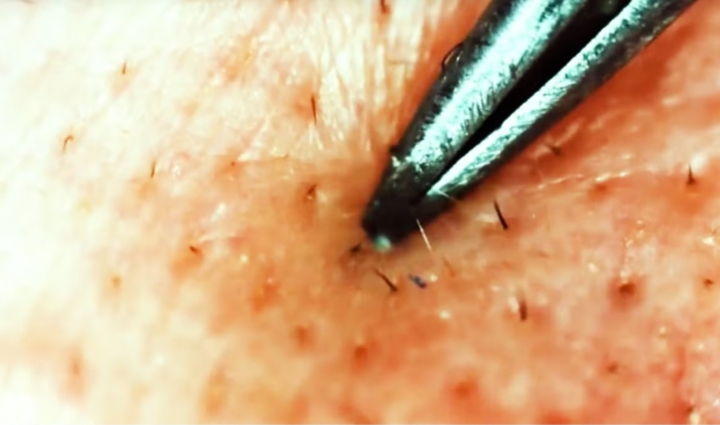
Ingrown hairs happen when shaved hair grows back into the skin instead of rising out naturally. This often leads to small red bumps, irritation, and sometimes inflammation or infection. It’s more common in people with curly or coarse hair and usually appears after shaving areas like the face, underarms, or bikini line.
Prevention of ingrown hairs after shaving (rephrased)
1) Prepare the hair properly
Shaving works best when hair is soft and hydrated.
- Take a warm shower or apply warm water before shaving
- Use a quality shaving gel or cream to reduce friction
- Allow a few minutes for hair to soften before starting
2) Choose a suitable razor
The type and condition of your razor directly affects skin irritation.
- Always use a sharp blade to avoid pulling hair
- Replace dull or overused razors regularly
- Consider fewer blades if you are prone to bumps, as multiple blades can sometimes cut hair too short under the skin
3) Follow the direction of hair growth
Shaving against the grain may give a closer finish but increases the risk of ingrown hairs.
- Shave in the same direction your hair naturally grows
- Avoid going over the same area repeatedly
- Use light pressure instead of pressing hard
4) Avoid extremely close shaving
Very close shaves increase the chance of hair curling back into the skin.
- Don’t stretch the skin too tightly while shaving
- Leave a slight stubble instead of trying to get perfectly smooth skin
5) Exfoliate the skin regularly
Exfoliation helps prevent clogged pores that trap hair.
- Gently exfoliate 2–3 times weekly
- Use mild scrubs or chemical exfoliants like salicylic acid or glycolic acid
- Avoid harsh exfoliation immediately after shaving
6) Keep skin hydrated
Moisturized skin reduces irritation and supports normal hair growth.
- Apply a fragrance-free moisturizer after shaving
- Aloe vera gel can also soothe the skin
7) Reduce irritation habits
Small habits during shaving can make a big difference.
- Don’t shave daily if your skin becomes irritated easily
- Avoid shaving over existing bumps or inflamed areas
- Rinse your blade frequently during shaving
8) Use alternative hair removal methods
If ingrown hairs keep recurring, shaving may not be the best option.
- Electric trimmers leave slightly longer hair and reduce ingrowns
- Laser hair removal can significantly reduce hair growth over time
- Depilatory creams may work for some skin types (patch test first)
Added topic: Treatment and care after ingrown hairs appear
Even with prevention, some ingrown hairs may still form. When they do:
- Apply warm compresses to help the hair come out naturally
- Use mild exfoliation to free trapped hairs
- Apply anti-inflammatory or antibacterial products if needed
- Avoid picking or squeezing, as this can cause scars or infection
Frequent or severe cases may develop into a condition called Pseudofolliculitis barbae, which may require a change in shaving routine or medical treatment.