


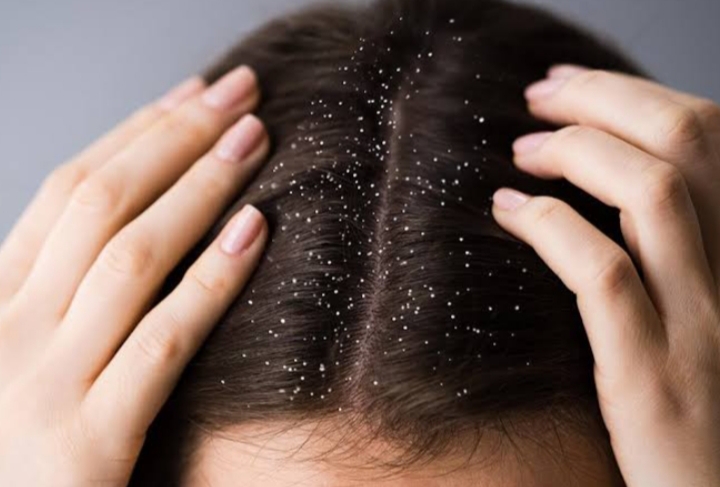
Dusty weather can make dandruff more difficult to manage by causing dryness, irritation, and the buildup of dirt on the scalp. When dust combines with sweat, oil, and dead skin cells, it may lead to itching, flaking, and discomfort.
Taking proper care of the scalp during dusty conditions is important for maintaining healthy hair and reducing dandruff problems.
How Dusty Weather Affects the Scalp
Dandruff can result from dry skin, oily scalp conditions, fungal growth, or irritation. Dusty environments often worsen these issues because:
- Dust particles settle easily on the scalp
- Sweat and oil trap dirt
- Dry air removes moisture from the skin
- Scalp irritation and itching increase
- Product buildup becomes more common
If the scalp is not cleaned properly, dandruff symptoms may become more severe.
Effective Ways to Care for the Scalp
1. Wash the Hair Frequently
Regular washing helps remove dust, excess oil, and sweat from the scalp. Using a gentle anti-dandruff shampoo several times a week can help reduce flakes and itching.
However, excessive washing should be avoided because it may dry out the scalp further.
Common anti-dandruff ingredients include:
- Ketoconazole
- Zinc pyrithione
- Selenium sulfide
- Salicylic acid
- Tea tree oil
2. Protect the Hair From Dust
Covering the hair while outdoors can reduce exposure to dust and pollutants. Clean scarves, caps, or hats can help protect the scalp.
Loose and breathable coverings are preferable because tight headwear may trap heat and sweat.
3. Moisturize the Scalp
Dusty weather can leave the scalp dry and irritated. Applying small amounts of natural oils may help restore moisture and soothe dryness.
Useful oils include:
- Coconut oil
- Olive oil
- Jojoba oil
- Diluted tea tree oil
Too much oil should be avoided because it can attract more dust and cause buildup.
4. Reduce Heavy Hair Product Use
Heavy styling products such as thick creams and gels can trap dirt on the scalp. Lightweight products are usually better during dusty weather.
Hair products should also be washed out properly to prevent residue accumulation.
5. Maintain Clean Hair Accessories
Items such as combs, brushes, pillowcases, scarves, and wigs should be cleaned regularly. Dirty accessories can transfer bacteria, fungi, and dust back onto the scalp.
6. Drink Enough Water
Proper hydration supports healthy skin and scalp moisture. Drinking enough water may help reduce dryness and irritation.
7. Eat a Healthy Diet
Good nutrition contributes to healthier skin and hair. Foods rich in vitamins, protein, zinc, and healthy fats may help improve scalp conditions.
Nutritious foods include:
- Fish
- Eggs
- Fruits and vegetables
- Nuts and seeds
- Whole grains
Natural Remedies That May Help
Some natural treatments are commonly used to reduce dandruff symptoms and soothe the scalp.
Aloe vera
Aloe vera may help moisturize the scalp and reduce irritation.
Apple cider vinegar
Diluted apple cider vinegar is often used to cleanse the scalp and reduce buildup.
Tea tree oil
Tea tree oil has antifungal properties that may help control dandruff when used carefully and diluted properly.
When Medical Attention Is Necessary
If dandruff becomes severe or does not improve with regular care, it is advisable to consult a dermatologist. Medical advice may be needed if there is:
- Intense itching
- Redness or swelling
- Hair loss
- Painful scalp irritation
- Persistent flakes despite treatment
These symptoms could indicate other scalp conditions such as fungal infections or eczema.
Conclusion
Dusty weather can worsen dandruff by increasing dryness, irritation, and scalp buildup. Proper scalp hygiene, regular washing, moisturizing, and protection from dust are important for maintaining a healthy scalp.
By following healthy hair care habits and using suitable products, dandruff symptoms can be managed more effectively even in harsh weather conditions.