


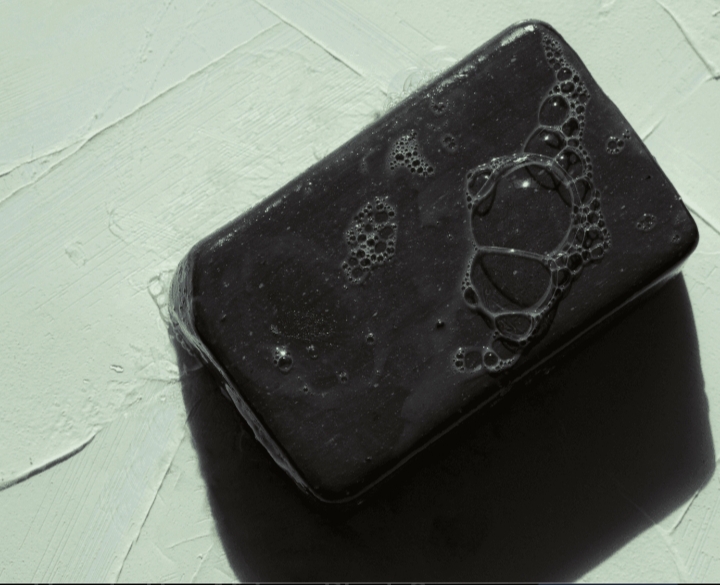
Black soap has gained widespread attention as a natural skincare remedy, particularly for acne and oily skin. Many people use it hoping to clear breakouts, reduce dark spots, and achieve smoother skin. While black soap does offer certain skincare benefits, there are also many exaggerated claims about what it can actually do.
Knowing the difference between the real benefits and common myths can help people use black soap more safely and effectively.
What Is Black Soap?
African black soap is a traditional cleanser that originated in West Africa. It is typically made from natural ingredients such as:
- Cocoa pod ash
- Plantain skins
- Palm oil
- Shea butter
- Coconut oil
The soap usually has a soft texture and may appear brown, dark brown, or black depending on how it is prepared.
Because of its cleansing and exfoliating properties, black soap is commonly used for acne, oily skin, uneven skin tone, and other skin concerns.
Benefits of Black Soap for Acne
Deep Cleansing Properties
One of the main advantages of black soap is its ability to remove dirt, oil, and impurities from the skin. By helping to clear excess sebum and unclog pores, it may reduce the chances of acne breakouts.
People with oily skin often find that it leaves the skin feeling cleaner and less greasy.
Mild Exfoliation
Black soap naturally exfoliates the skin by helping remove dead skin cells from the surface. This may improve skin texture and help prevent clogged pores that contribute to acne formation.
Gentle exfoliation can also help the skin appear smoother over time.
May Help Reduce Mild Breakouts
Some users notice improvements in mild acne after using black soap consistently. It may help reduce:
- Small pimples
- Whiteheads
- Mild acne congestion
- Excess facial oil
However, results vary depending on skin type and the severity of the acne.
Can Improve Post-Acne Dark Marks
Black soap is often used to help fade acne scars and post-inflammatory hyperpigmentation. Its exfoliating effects may gradually brighten uneven skin tone when used carefully and consistently.
Contains Moisturizing Ingredients
Authentic black soap often includes nourishing oils and shea butter, which can help maintain some moisture in the skin while cleansing.
Common Myths About Black Soap
Myth 1: Black Soap Completely Eliminates Acne
Black soap is not a guaranteed cure for acne. Acne develops from several factors, including hormones, bacteria, genetics, inflammation, and excess oil production.
While black soap may help manage mild breakouts, severe or persistent acne usually requires targeted skincare treatments or medical advice.
Myth 2: Burning Means It Is Working
A common misconception is that stinging or burning indicates the soap is effectively treating the skin. In reality, burning often means the skin is becoming irritated.
Too much irritation can damage the skin barrier and lead to:
- Dryness
- Redness
- Peeling
- Increased sensitivity
- Dark marks
Healthy skincare should not cause severe discomfort.
Myth 3: Natural Products Cannot Harm the Skin
Although black soap is made from natural ingredients, natural products can still trigger irritation or allergic reactions. Some commercial black soaps also contain fragrances, dyes, or harsh additives that may worsen acne.
Natural does not always mean gentle or safe for every skin type.
Myth 4: Frequent Use Clears Skin Faster
Using black soap excessively can strip the skin of its natural oils. This may cause the skin to become overly dry and irritated, which can actually worsen acne and inflammation.
Over-cleansing may also encourage the skin to produce more oil to compensate for dryness.
Myth 5: Black Soap Works for Everyone
Not all skin types respond well to black soap. People with sensitive, dry, or easily irritated skin may experience discomfort or worsening skin issues if the soap is too harsh.
Some individuals may benefit from using it only occasionally rather than daily.
Possible Side Effects
Improper use of black soap may lead to:
- Dry skin
- Tightness
- Irritation
- Skin peeling
- Increased sensitivity
- Breakouts caused by irritation
In darker skin tones, excessive irritation can also increase the risk of hyperpigmentation.
How to Use Black Soap Safely
To minimize irritation and get the best results:
- Start by using it a few times per week
- Apply a moisturizer afterward
- Avoid scrubbing the skin harshly
- Patch test before regular use
- Use sunscreen daily
- Stop using it if severe irritation develops
Gentle use is usually more effective than aggressive cleansing.
Choosing a Good Black Soap
Authentic African black soap is typically:
- Soft and slightly crumbly
- Brown or dark brown in color
- Mild-smelling or unscented
- Made with simple natural ingredients
Some commercial products labeled as black soap may contain unnecessary chemicals or detergents that can irritate acne-prone skin.
Conclusion
Black soap can be a helpful addition to an acne-care routine, especially for people with oily or mildly acne-prone skin. Its cleansing and exfoliating properties may help reduce excess oil, unclog pores, and improve post-acne dark spots.
However, it is important to separate facts from myths. Black soap is not a miracle cure, and excessive use can irritate the skin and worsen certain conditions.
Using black soap gently, consistently, and alongside proper skincare habits is usually the best approach for maintaining healthier skin.