


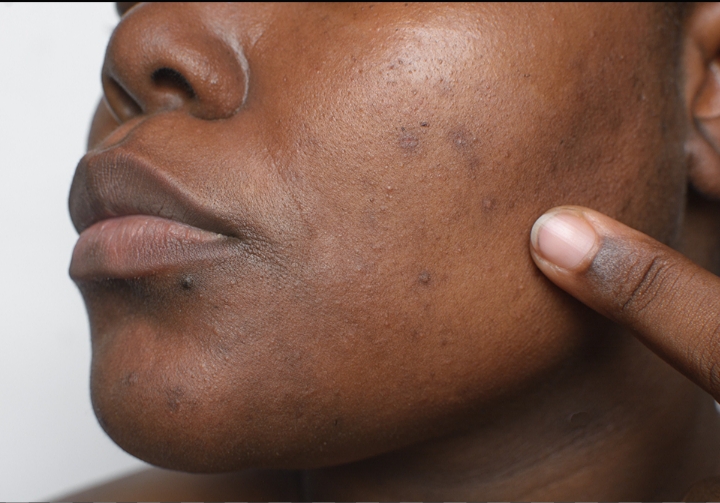
Hyperpigmentation is a common skin condition that can affect people of all complexions, but it is often more noticeable and long-lasting in individuals with darker skin tones. Dark spots, uneven patches, and discoloration tend to develop more easily and fade more slowly in melanin-rich skin. This happens because of the way darker skin naturally produces and responds to melanin.
Understanding the relationship between skin pigmentation and inflammation helps explain why hyperpigmentation is such a significant concern for many people with deeper complexions.
What Is Hyperpigmentation?
Hyperpigmentation occurs when certain parts of the skin produce excess melanin, the natural pigment responsible for skin color. This excess pigment creates darker areas that differ from the surrounding skin.
The condition can appear in several forms, including:
- Acne marks
- Sun spots
- Melasma
- Post-inflammatory hyperpigmentation (PIH)
- Dark patches caused by irritation or skin injuries
In darker skin tones, these spots may appear dark brown, grayish, or nearly black.
Why Darker Skin Is More Prone to Hyperpigmentation
Higher Melanin Production
People with darker skin naturally have more active melanocytes, the cells responsible for producing melanin. While melanin helps protect the skin from ultraviolet damage, these cells can overreact when the skin becomes inflamed or injured.
As a result, even minor skin trauma can trigger excess pigment production.
Common triggers include:
- Pimples and acne
- Scratching the skin
- Razor bumps
- Insect bites
- Harsh skincare products
- Friction or irritation
Because the skin produces more pigment during healing, dark marks often remain long after the original issue disappears.
Pigmentation Lasts Longer
In melanin-rich skin, pigment is often deposited deeper within the skin layers, making it harder and slower to fade naturally.
A small blemish that heals quickly on lighter skin may leave behind discoloration for months in darker skin tones. In some cases, hyperpigmentation can persist for a year or longer if left untreated.
Inflammation Leads to More Discoloration
Inflammation plays a major role in the development of hyperpigmentation. Skin conditions such as acne, eczema, psoriasis, and allergic reactions can stimulate melanocytes and cause the skin to darken during the healing process.
Unfortunately, certain treatments that are too strong or irritating may increase inflammation and worsen the discoloration instead of improving it.
Uneven Tone Is More Visible
Dark spots often stand out more clearly against deeper skin tones, making uneven pigmentation easier to notice. Even small areas of discoloration can become a major cosmetic concern, especially when they appear on visible parts of the body such as the face, neck, or hands.
Common Causes of Hyperpigmentation in Darker Skin
Acne and Breakouts
Acne is one of the leading causes of post-inflammatory hyperpigmentation in darker skin. Picking or squeezing pimples can increase inflammation and make dark spots more severe.
Sun Exposure
Although darker skin contains more natural protection against UV rays, sun exposure can still worsen hyperpigmentation. Ultraviolet light stimulates melanin production, causing dark patches to become deeper and more stubborn over time.
Hair Removal and Ingrown Hairs
Shaving, waxing, and ingrown hairs commonly trigger inflammation in areas like the beard region, underarms, and bikini line. This can lead to persistent darkening after the irritation heals.
Aggressive Skincare Products
Overusing exfoliants, strong acids, or skin-lightening products can damage the skin barrier and trigger further pigmentation. Darker skin tends to react strongly to irritation, making gentle skincare especially important.
Why Treatment Requires Extra Care
Treating hyperpigmentation in darker skin can be challenging because aggressive treatments may worsen the condition. Procedures such as strong chemical peels, deep exfoliation, or certain laser treatments can cause additional inflammation and lead to even darker pigmentation if not done properly.
For this reason, treatment should focus on gradual improvement rather than harsh correction.
Effective Ways to Reduce Hyperpigmentation
Wear Sunscreen Daily
Using a broad-spectrum sunscreen with SPF 30 or higher helps prevent dark spots from becoming darker and protects the skin from further pigmentation.
Use Gentle, Targeted Ingredients
Ingredients that may help fade discoloration include:
- Niacinamide
- Azelaic acid
- Vitamin C
- Retinoids
- Tranexamic acid
- Licorice extract
These ingredients work best when used consistently and carefully.
Treat Inflammation Early
Managing acne, eczema, razor bumps, and other inflammatory conditions early can reduce the chances of developing long-lasting dark spots.
Seek Professional Guidance
Dermatologists experienced in treating skin of color can recommend safer and more effective treatment options tailored to darker complexions.
Emotional and Psychological Effects
Hyperpigmentation can affect more than appearance. Many people experience frustration, reduced confidence, and emotional stress due to persistent discoloration, especially when treatments fail or concerns are overlooked.
For years, skincare research focused mainly on lighter skin tones, but awareness surrounding the needs of melanin-rich skin is steadily growing.
Conclusion
Hyperpigmentation tends to affect darker skin tones more severely because melanin-producing cells are more active and highly responsive to inflammation or injury. Although melanin offers valuable protection against sun damage, it also increases the likelihood of lingering discoloration after the skin heals.
Preventing and treating hyperpigmentation requires patience, gentle skincare, sun protection, and proper management of inflammation. With the right approach, uneven pigmentation can gradually improve while maintaining the health and strength of the skin.