


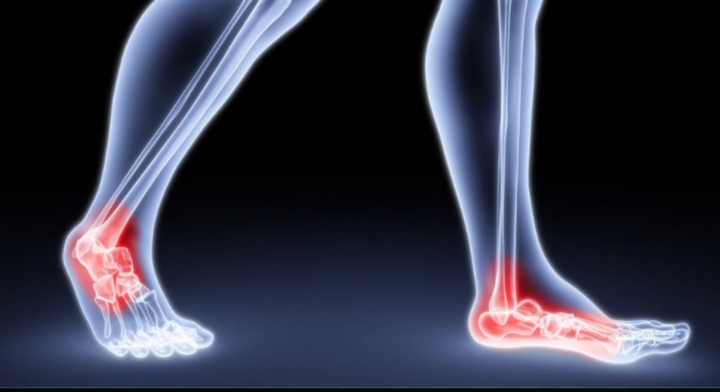
Post-traumatic arthritis is a type of joint condition that develops after an injury such as a fracture, dislocation, or ligament damage. Even when the injury has healed, it can leave lasting changes in the joint that gradually lead to pain, stiffness, and reduced movement. Over time, this condition resembles Osteoarthritis, as the joint slowly wears down.
What post-traumatic arthritis is
This condition occurs when a previously injured joint begins to degenerate due to damage caused by trauma. Although the initial injury may seem fully healed, hidden effects like cartilage damage or joint instability can continue to affect normal function.
Symptoms may appear shortly after the injury or develop years later, making it a delayed complication of joint trauma.
Causes
Post-traumatic arthritis usually follows injuries such as:
- Fractures that involve the joint surface
- Joint dislocations (for example, in the knee, shoulder, or ankle)
- Torn ligaments, such as ACL injuries
- Repeated stress or injury to the same joint over time
Weight-bearing joints are most commonly affected because they experience continuous pressure.
How it develops
Joints are lined with smooth cartilage that allows easy movement. When injury occurs:
- The cartilage may be damaged or uneven
- The joint may lose normal alignment
- Movement becomes less smooth, increasing friction
- Inflammation develops and worsens over time
This ongoing damage gradually leads to joint degeneration similar to Osteoarthritis.
Symptoms
The condition often develops slowly, with symptoms including:
- Joint pain during or after movement
- Stiffness, especially after rest or in the morning
- Swelling around the affected area
- Limited range of motion
- Weakness or a feeling of instability
- Clicking or grinding sensations in the joint
Risk factors
Several factors can increase the likelihood of developing post-traumatic arthritis:
- Severe joint injury
- Poor healing or misalignment after injury
- Lack of proper rehabilitation
- Repeated strain on the injured joint
- Excess body weight increasing joint pressure
Diagnosis
Doctors diagnose the condition by:
- Reviewing past injury history
- Examining the affected joint
- Using imaging tests such as X-rays or MRI scans to detect structural changes
Treatment approaches
Although the condition cannot always be reversed, symptoms can be controlled and joint function improved.
Lifestyle changes
- Maintaining a healthy weight
- Avoiding activities that worsen joint stress
- Using supportive devices like braces when needed
Physiotherapy
Exercise is important for strengthening muscles around the joint and improving stability. This may include:
- Stretching exercises
- Strength training
- Low-impact activities like swimming or cycling
Medication
- Pain relievers such as NSAIDs
- Anti-inflammatory drugs to reduce swelling
Injections
In some cases, doctors may use corticosteroid or lubricating injections to ease pain and improve movement temporarily.
Surgery
For severe cases, surgical options may include:
- Joint repair or reconstruction
- Realignment procedures
- Joint replacement in advanced damage
Prevention after injury
Preventing post-traumatic arthritis begins with proper care after an injury:
- Early and appropriate treatment of fractures and ligament damage
- Completing rehabilitation programs fully
- Avoiding early return to intense physical activity
- Strengthening muscles to support the joint
Conclusion
Post-traumatic arthritis is a long-term consequence of joint injury that develops gradually as damaged joints deteriorate over time. It shares many features with Osteoarthritis and can significantly affect mobility if not managed. However, with early treatment, proper rehabilitation, and consistent joint care, symptoms can be controlled and further joint damage can often be slowed.