


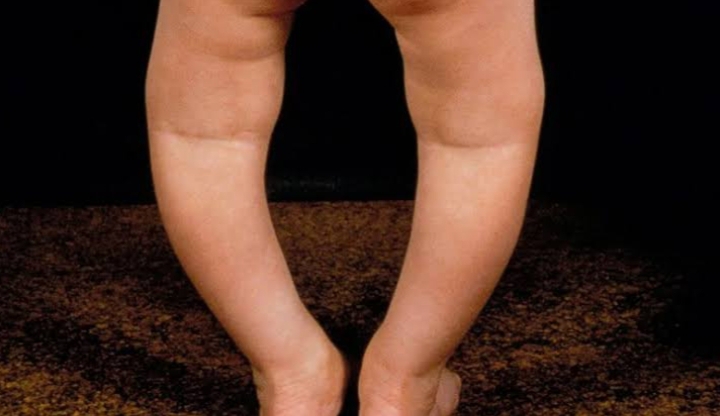
Rickets is a condition that affects children’s bone development, making bones soft, fragile, and sometimes misshapen. It typically occurs during periods of rapid growth and is mainly preventable with proper nutrition and care.
Understanding Rickets
Rickets develops when bones fail to harden properly due to a lack of essential minerals like calcium and phosphorus. These minerals depend on vitamin D for proper absorption in the body. When vitamin D levels are too low, the body cannot absorb enough calcium, leading to weak bone formation.
Children with rickets may show signs such as bowed legs, slow growth, bone discomfort, and, in more serious cases, visible deformities.
Causes of Rickets
Several factors can contribute to the development of rickets:
1. Lack of Vitamin D
The most common cause is insufficient vitamin D, which is necessary for calcium absorption. This can result from poor diet or limited sunlight exposure.
2. Inadequate Calcium Intake
Even with enough vitamin D, low calcium intake can still weaken bones.
3. Reduced Sunlight Exposure
Since the body produces vitamin D through sunlight, children who spend little time outdoors are at higher risk.
4. Breastfeeding Without Supplements
Breast milk contains only small amounts of vitamin D. Infants who are exclusively breastfed without supplements may develop a deficiency.
5. Certain Health Conditions
Diseases affecting the liver, kidneys, or digestive system can interfere with how the body processes vitamin D.
6. Inherited Disorders
Some rare genetic conditions can disrupt the body’s ability to use vitamin D or maintain proper phosphate levels.
Signs and Symptoms
Children with rickets may experience:
- Weak or soft bones
- Bowed legs or abnormal limb shape
- Slowed growth
- Bone pain or tenderness
- Muscle weakness
- Dental issues
Recognizing these symptoms early can help prevent complications.
Preventing Rickets
Rickets can often be avoided through simple preventive measures:
1. Ensure Adequate Vitamin D
Children should get enough vitamin D from sunlight, food, or supplements. Sources include fortified foods, eggs, and fish.
2. Maintain Proper Calcium Intake
A diet rich in calcium—such as milk, dairy products, and leafy vegetables—supports strong bones.
3. Encourage Sun Exposure
Regular outdoor activity allows the body to naturally produce vitamin D.
4. Use Supplements When Needed
Vitamin D supplements may be necessary, especially for infants and children at higher risk.
5. Routine Medical Care
Regular check-ups help monitor growth and detect any deficiencies early.
Treatment
Managing rickets involves addressing the underlying deficiency. This usually includes vitamin D and calcium supplementation, improved nutrition, and, in severe cases, medical treatment for bone deformities.
Conclusion
Rickets is a preventable condition that can affect children’s growth and bone strength. By ensuring proper nutrition, adequate sunlight exposure, and timely medical care, caregivers can help protect children from this disorder and support healthy development.