


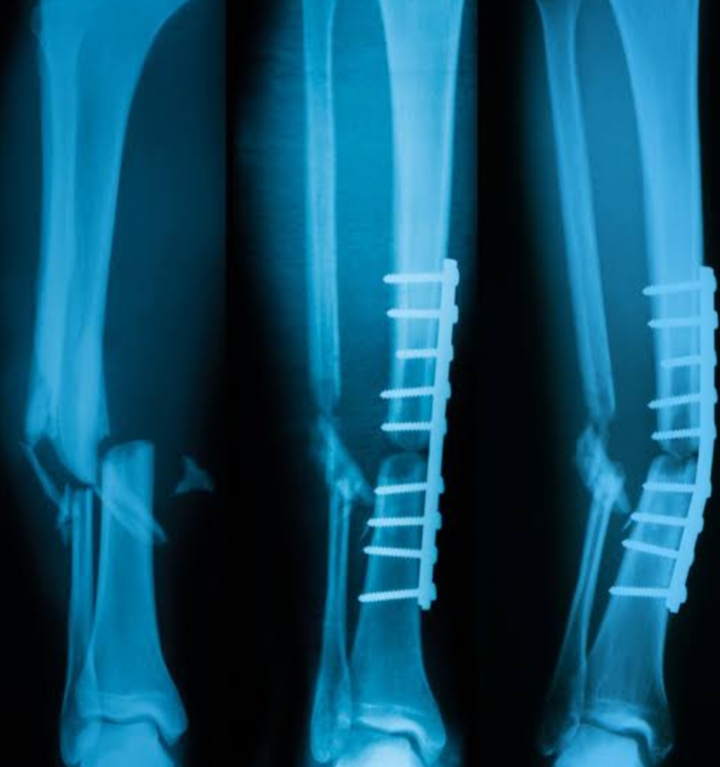
Bone repair is a natural process through which the body restores damaged or fractured bones. However, certain habits can interfere with this process, and smoking is one of the most harmful. It significantly slows healing and increases the risk of complications.
Understanding Bone Healing
When a bone is broken, the body goes through several stages to repair it:
- Inflammatory phase – Blood clots form around the injury, initiating healing.
- Soft callus formation – A flexible bridge made of collagen and cartilage develops.
- Hard callus formation – This soft structure gradually turns into solid bone.
- Remodeling phase – The new bone reshapes and strengthens over time.
Each stage depends on proper blood circulation, oxygen supply, and active bone-forming cells.
Ways Smoking Interferes with Healing
Smoking introduces toxic substances like nicotine and carbon monoxide into the body, which disrupt bone repair in multiple ways:
1. Limited Blood Circulation
Nicotine narrows blood vessels, reducing the flow of essential nutrients and oxygen needed for healing.
2. Lower Oxygen Supply
Carbon monoxide reduces the blood’s ability to carry oxygen, making it harder for tissues to repair themselves.
3. Reduced Activity of Bone Cells
Smoking weakens osteoblast function, slowing down the formation of new bone tissue.
4. Higher Risk of Healing Problems
People who smoke are more likely to experience delayed healing, nonunion (failure of the bone to heal), and infections after injury or surgery.
5. Hormonal Disruption
Smoking can interfere with hormones that regulate bone growth and repair, further delaying recovery.
What Research Shows
Scientific studies have found that smokers often take longer to recover from fractures than non-smokers. In addition, surgical outcomes—such as bone grafts or spinal procedures—tend to be less successful in smokers.
Effects on Overall Bone Health
Smoking not only delays healing but also weakens bones over time, increasing the risk of conditions like osteoporosis and making fractures more likely in the future.
Benefits of Quitting
Stopping smoking, even for a short period, can improve healing. The body begins to recover quickly once smoking stops, with better oxygen levels and circulation aiding the repair process.
Summary
Smoking has a major negative effect on bone healing. It reduces blood flow, limits oxygen, and interferes with bone-forming cells, all of which slow recovery and increase complications. Avoiding smoking is a key step in ensuring faster and more effective bone repair.