


Introduction
A properly aligned smile is important for both physical appearance and oral health. Orthodontics is a specialized area of dentistry concerned with correcting the alignment of teeth and jaws. Through the use of different treatment methods and dental appliances, orthodontic care improves the position of teeth, making chewing, speaking, and maintaining oral hygiene easier and more effective.
Meaning of Orthodontics
Orthodontics focuses on identifying, preventing, and treating problems related to crooked teeth and jaw alignment. Specialists in this field, known as orthodontists, use corrective devices to gradually guide teeth into their proper positions, resulting in a balanced and functional smile.
Common orthodontic conditions include:
- Crowded or overlapping teeth
- Spaces or gaps between teeth
- Overbite
- Underbite
- Crossbite
- Jaw misalignment
Importance of Orthodontic Treatment
Orthodontic treatment provides several advantages beyond improving appearance.
Better Oral Health
Straight teeth are easier to clean, helping to reduce the chances of tooth decay and gum disease.
Improved Chewing and Speech
Correct tooth alignment enhances biting ability and may improve speech problems linked to dental irregularities.
Prevention of Future Dental Issues
Proper alignment reduces uneven tooth wear, jaw discomfort, and the likelihood of dental injuries.
Increased Self-Confidence
An attractive smile can positively influence confidence and social interactions.
Common Orthodontic Treatments
Braces
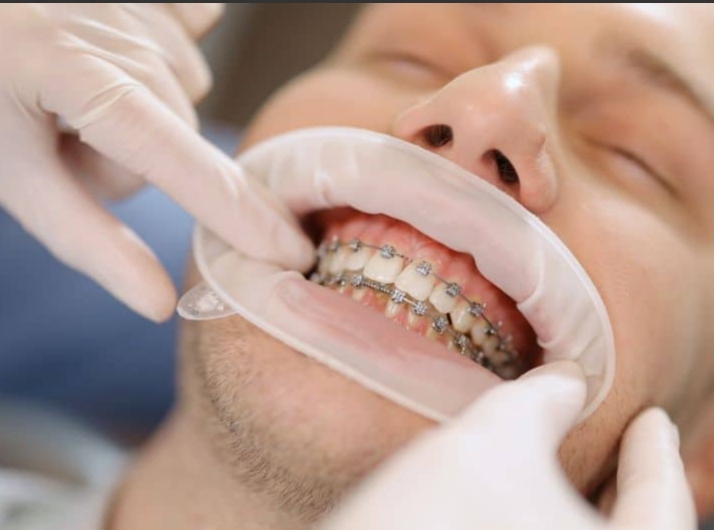
Braces use brackets and wires attached to the teeth to slowly move them into the correct position. They can be made from metal or tooth-colored materials.
Clear Aligners
These are transparent, removable trays designed to gradually straighten teeth while being less noticeable than traditional braces.
Retainers
Retainers are worn after treatment to keep teeth in their new positions and prevent shifting.
Space Maintainers
Often used for children, these devices hold space for permanent teeth when baby teeth are lost too early.
The Orthodontic Treatment Process
- Assessment and Diagnosis: The orthodontist examines the teeth and may take X-rays to evaluate alignment issues.
- Treatment Planning: A suitable treatment option is selected based on individual needs.
- Active Treatment Stage: Braces or aligners are used over time to reposition teeth gradually.
- Retention Stage: Retainers help maintain the results after treatment is completed.
Who Can Benefit from Orthodontics?
Orthodontic care is suitable for different age groups:
- Children: Early assessment helps identify developing alignment problems.
- Teenagers: Treatment is common during this stage because the jaw is still growing.
- Adults: Many adults seek orthodontic treatment to enhance both appearance and dental health.
Care During Orthodontic Treatment
Maintaining proper care during treatment is important:
- Brush and floss teeth regularly
- Avoid foods that may damage braces or appliances
- Attend scheduled dental visits
- Follow professional instructions carefully
Challenges of Orthodontic Treatment
- Mild discomfort during adjustment periods
- Treatment may take several months or years
- Requires consistent oral hygiene practices
- Treatment costs may be high
Conclusion
Orthodontics is essential for correcting dental and jaw alignment problems, improving both oral function and appearance. Modern orthodontic treatments make it possible to achieve a straighter smile comfortably and effectively. Proper orthodontic care contributes to long-term dental health, improved confidence, and overall well-being.