


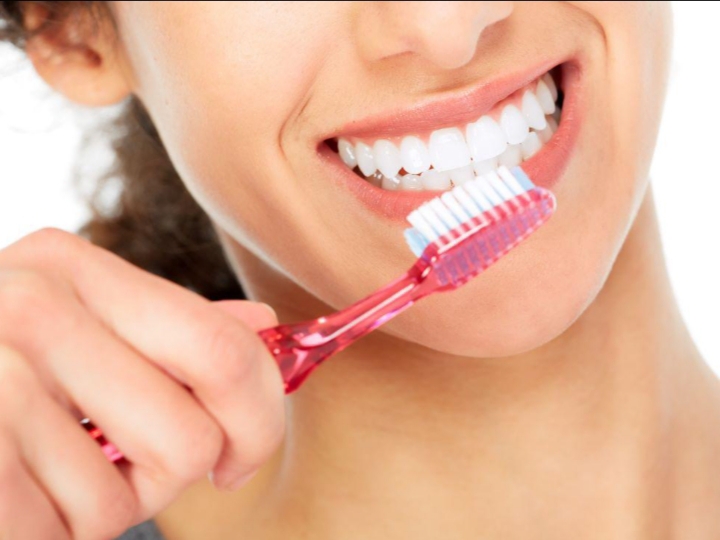
Maintaining a healthy smile is not just about appearance it also reflects strong oral hygiene and overall health. Although brushing your teeth is a routine activity, how you do it greatly affects your ability to prevent cavities, gum disease, and bad breath. Using the correct brushing techniques can greatly enhance your dental health and keep your teeth looking their best.
1. Select the Right Tools
Good brushing begins with proper tools. A soft-bristled toothbrush is ideal because it is gentle on both gums and enamel. Choosing a brush with a smaller head allows you to reach difficult areas more easily. Combine this with fluoride toothpaste to help protect and strengthen your teeth.
2. Brush Long Enough
Brushing too quickly is a common mistake. Dental professionals advise brushing for at least two minutes, twice daily. To ensure full coverage, divide your mouth into sections and spend equal time on each part.
3. Practice the Correct Technique
Position your toothbrush at a 45-degree angle toward your gums and use gentle circular movements instead of scrubbing harshly. This approach effectively removes plaque while preventing damage to your gums. Make sure to clean every surface of your teeth, including the front, back, and chewing areas.
4. Pay Attention to Gums and Tongue
The gum line is a common area for plaque buildup, so brush it carefully. Also, cleaning your tongue helps eliminate bacteria responsible for bad breath and supports better oral hygiene.
5. Be Gentle While Brushing
Applying too much pressure can harm your teeth and gums. Overbrushing may wear down enamel and cause gum irritation or sensitivity. Use a light touch and allow the toothbrush to do the cleaning.
6. Change Your Toothbrush Regularly
To keep brushing effective, replace your toothbrush every three to four months, or sooner if the bristles are worn out.
7. Keep Your Toothbrush Clean
After each use, rinse your toothbrush well to remove any leftover debris. Store it upright and let it air dry. Avoid covering it immediately, as a damp environment can encourage bacteria growth.
8. Support Brushing with Other Habits
For complete oral care, brushing should be combined with daily flossing to clean between teeth. Using mouthwash can also help reduce bacteria, and regular dental visits are important for maintaining oral health.
Conclusion
Using proper brushing techniques is essential for maintaining a healthy smile. By adopting the right methods, using suitable tools, and practicing consistent oral hygiene, you can prevent many dental issues. Simple changes in your routine can lead to lasting benefits so focus on brushing effectively to keep your smile healthy and bright.