


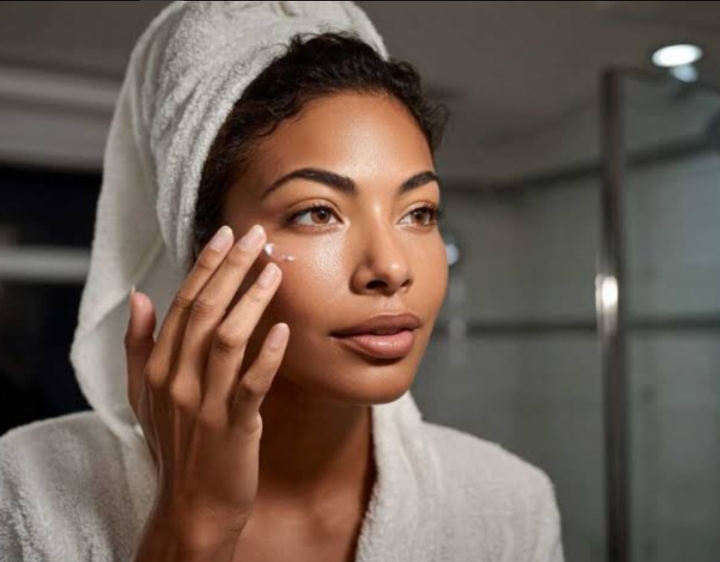
Retinol has earned a reputation as one of the most effective ingredients in skincare, particularly for its ability to combat aging, acne, and skin discoloration. However, despite its popularity, it’s often surrounded by myths and misconceptions. To truly understand how to use retinol effectively, it’s important to separate fact from fiction, while being aware of any potential side effects.
What is Retinol?
Retinol is a form of vitamin A and is part of the retinoid family. It works by boosting skin cell turnover, encouraging collagen production, and improving skin texture. Available in over-the-counter formulas, it’s gentler than prescription-strength retinoids like tretinoin, which are used for more advanced treatments.
Benefits of Retinol
1.Reduces Fine Lines and Wrinkles – Retinol stimulates collagen production, which helps firm the skin and smooth out fine lines.
2.Improves Skin Texture and Tone – Regular use can help even out skin tone, reduce dark spots, and refine skin texture.
3.Fights Acne – Retinol helps unclog pores, making it an effective treatment for acne by preventing new breakouts.
4.Promotes Cell Renewal – It accelerates skin renewal, helping to shed dead skin cells and promote a smoother, more radiant complexion.
Common Myths About Retinol
Myth 1: Retinol Causes Constant Peeling – Mild dryness or peeling is normal, but excessive peeling can often be avoided by using the right concentration and moisturizing properly.
Myth 2: Retinol Can Be Used During the Day – Retinol increases sensitivity to the sun, so it’s best applied at night, followed by sunscreen during the day.
Myth 3: Retinol Shows Results Right Away Visible results take time typically weeks to months of consistent use, not an overnight transformation.
Myth 4: Retinol is Only for Mature Skin – Retinol can benefit all ages, including those dealing with acne or uneven skin tone, but concentrations may vary depending on age and skin concerns.
Side Effects and How to Manage Them
While retinol is effective, it can cause some initial side effects, especially when first used:
1.Dryness and Flakiness – Start with a lower concentration and increase use gradually. Moisturizing frequently helps combat dryness.
2.Redness and Irritation – Begin with 2-3 times per week, allowing your skin to adjust before increasing usage.
3.Sun Sensitivity – Since retinol increases the skin’s sensitivity to UV rays, applying sunscreen every morning is crucial.
4.Initial Breakouts – Some users may experience a temporary worsening of acne (purging) as retinol accelerates cell turnover before improvements appear.
Tips for Safe and Effective Use
1.Start Slowly – Begin with a lower concentration and use it a few times per week, gradually increasing the frequency.
2.Moisturize – Keep skin hydrated to reduce dryness and irritation.
3.Use at Night – Retinol works best at night and can break down in sunlight, so it’s important to apply it before bed.
4.Always Wear Sunscreen – Protect your skin from UV damage to avoid complications, as retinol increases sensitivity.
5.Avoid Harsh Combinations – Don’t mix retinol with strong exfoliants like acids in the beginning to avoid excessive irritation.
Retinol is a powerful skincare ingredient known for its ability to address aging, acne, and uneven skin tone. While myths and side effects exist, they can be managed by starting slow, using proper hydration, and following sun protection guidelines. With patience and consistent use, retinol can provide remarkable benefits, making it a valuable addition to any skincare routine.