


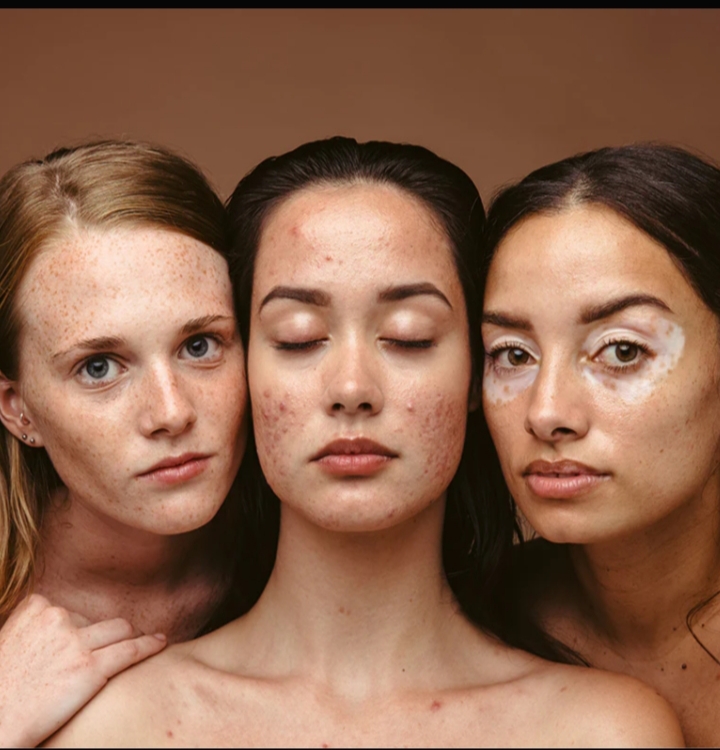
Hyperpigmentation is a skin condition in which some areas of the skin become darker than the surrounding areas. This occurs when the skin produces too much melanin, the natural pigment that gives skin its color. Although hyperpigmentation can affect people of all complexions, the way it appears and responds to treatment can differ across skin tones.
Causes of Hyperpigmentation
Several factors can lead to hyperpigmentation. One major cause is exposure to the sun, which increases melanin production as the skin tries to protect itself. Other causes include acne marks, injuries to the skin, hormonal changes, and the use of certain medications. Conditions like melasma and post-inflammatory hyperpigmentation are also common.
Appearance Across Skin Tones
The appearance of hyperpigmentation varies depending on a person’s skin tone. In lighter skin, dark spots often appear pinkish, red, or light brown. In medium to darker skin tones, the spots may look dark brown, gray, or bluish.
Individuals with darker complexions are more likely to experience post inflammatory hyperpigmentation. This happens when the skin darkens after irritation or inflammation caused by acne, cuts, burns, or other skin conditions. Because darker skin contains more melanin, it tends to react more strongly to inflammation.
Treatment Considerations
Treating hyperpigmentation can sometimes be more challenging for darker skin tones. Some strong treatments may irritate the skin and lead to further discoloration if not used carefully. For this reason, mild and suitable skincare products are often recommended.
Treatments may include topical products containing ingredients like vitamin C, retinoids, or gentle exfoliating acids. In more severe cases, dermatologists may suggest professional treatments such as chemical peels or laser procedures.
Prevention and Care
Protecting the skin from sunlight is one of the most effective ways to prevent hyperpigmentation. Using sunscreen regularly can help control melanin production and stop dark spots from becoming worse.
A consistent skincare routine also helps. Gentle cleansing, proper moisturizing, and avoiding harsh products can reduce irritation and lower the chances of developing dark spots after inflammation.
However, Hyperpigmentation affects people of all skin tones, though its appearance and treatment may differ depending on the amount of melanin in the skin. By understanding these differences and practicing proper skincare, individuals can better manage hyperpigmentation and maintain healthier skin.