


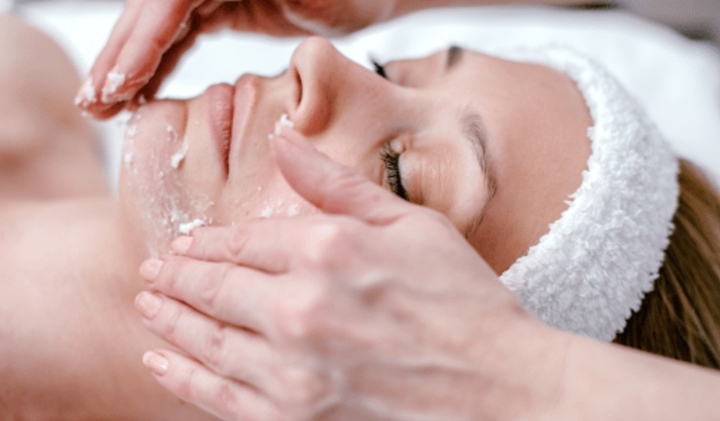
Exfoliation is a key step in skincare that can transform your complexion, leaving it softer, brighter, and healthier. By removing dead skin cells that accumulate on the surface, exfoliation reveals fresh, glowing skin underneath. Many people are unsure how to exfoliate properly or which method suits their skin best. This guide breaks down the basics of exfoliation and explains how to get smooth, revitalized skin.
What Is Exfoliation?
Exfoliation is the process of sloughing off dead skin cells from the skin’s surface. While the skin naturally sheds these cells, the process slows with age, leading to dullness, rough texture, and uneven tone. Exfoliating helps speed up this natural process, promoting fresh, radiant skin.
There are two main types of exfoliation: physical exfoliation and chemical exfoliation, each with its own benefits. Understanding the differences is key to choosing the right method for your skin.
- Physical Exfoliation: Scrubs and Tools
Physical exfoliation involves manually buffing the skin using scrubs or tools. These products often contain small particles like sugar, salt, or crushed seeds, which help remove dead cells through gentle friction. Common tools include exfoliating brushes, gloves, or sponges.
Benefits:
- Instant smoothness: Provides immediate improvement in texture by removing surface dead cells.
- Boosts circulation: Gentle massaging stimulates blood flow, giving skin a healthy glow.
- Customizable: You can control pressure and frequency, making it suitable for more resilient skin.
Best for: Oily or thicker skin. Avoid using harsh scrubs on sensitive, inflamed, or acne prone skin to prevent irritation or microtears.
How to use:
1.Apply a small amount of scrub to damp skin.
2.Massage gently in circular motions for 30–60 seconds.
3.Rinse with lukewarm water and follow with moisturizer to maintain hydration.
- Chemical Exfoliation: Gentle, Effective Renewal
Chemical exfoliation uses acids or enzymes to loosen dead skin cells without scrubbing. It often penetrates deeper than physical exfoliants, promoting a more even, refined texture.
Types of Chemical Exfoliants:
1.Alpha Hydroxy Acids (AHAs): Water-soluble acids like glycolic and lactic acid that smooth the surface and improve fine lines.
2.Beta Hydroxy Acid (BHA): Oil-soluble acids like salicylic acid that penetrate pores, making them ideal for acne-prone skin.
3.Enzymes: Natural fruit enzymes from papaya or pineapple gently break down dead skin cells, suitable for sensitive skin.
Benefits:
- Gentle yet effective: Reduces irritation compared to physical scrubs.
- Deep exfoliation: Helps with clogged pores, acne, and uneven texture.
- No abrasion: Minimizes risk of microtears.
Best for: Sensitive, dry, or acne-prone skin that requires deep exfoliation without harsh scrubbing.
How to use:
1.Apply to clean, dry skin using fingers or a cotton pad.
2.Start with low concentrations (5–10%) and gradually increase.
3.Begin with once or twice a week, then adjust based on tolerance.
4.Always follow with sunscreen, as chemical exfoliants can make skin more sun-sensitive.
- How Often Should You Exfoliate?
Exfoliation frequency depends on your skin type, product type, and tolerance. Over-exfoliating can cause redness, sensitivity, or dryness.
- Sensitive or dry skin: Once a week with gentle chemical exfoliants.
- Oily or combination skin: 2–3 times a week using physical or chemical exfoliants.
- Acne-prone skin: 2–3 times a week with chemical exfoliants like salicylic acid; avoid harsh scrubs.
- Tips for Best Results
1.Moisturize: Exfoliation can dry skin, so follow up with a hydrating moisturizer.
2.Use sunscreen: Skin is more sensitive to UV rays after exfoliating, so SPF is essential.
3.Skip if irritated: Avoid exfoliating inflamed, sunburned, or broken skin.
4.Choose products wisely: Match exfoliant type to your skin concerns and sensitivity level.
In conclusion, exfoliation is a vital step for smoother, healthier, and more radiant skin. Whether you prefer physical scrubs for immediate results or chemical exfoliants for gentle, deeper renewal, regular exfoliation can transform your skin’s texture and glow. By exfoliating correctly and pairing it with hydration and sun protection, you can maintain smooth, vibrant skin year-round.