


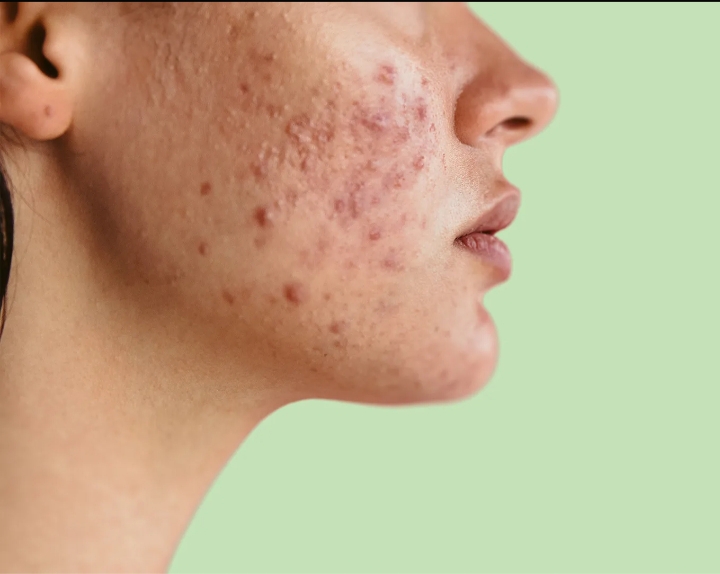
Acne is a widespread skin condition that affects individuals at various ages. Although factors such as genetics, diet, and skincare practices can contribute to acne, hormonal changes are often a major underlying cause. Hormones control many bodily functions, including the production of oil in the skin. When hormone levels fluctuate, they can stimulate the skin’s oil glands to produce excess sebum, which may clog pores and lead to breakouts. These hormonal changes occur during several phases of life, explaining why acne can appear during adolescence, adulthood, pregnancy, and later years.
Acne During Adolescence
Adolescence is the period when acne most commonly develops. During puberty, the body begins producing higher amounts of hormones known as androgens. These hormones increase the activity and size of the sebaceous glands, causing them to produce more oil.
The extra oil can combine with dead skin cells and bacteria, blocking hair follicles and resulting in pimples, blackheads, and whiteheads. This condition is generally referred to as Acne Vulgaris. Teenagers frequently experience breakouts on areas such as the face, chest, shoulders, and back, where oil glands are more concentrated.
Although acne during puberty is common, maintaining a proper skincare routine and seeking appropriate treatment can help control breakouts and prevent long-term skin issues.
Acne in Young Adults
For some individuals, acne continues beyond the teenage years. Hormonal fluctuations may persist into early adulthood, particularly among women. Stress, lifestyle factors, and hormonal shifts linked to the menstrual cycle can trigger skin breakouts.
Many women notice acne appearing along the chin, jawline, or lower face shortly before or during menstruation. This occurs because hormonal levels change throughout the menstrual cycle, sometimes increasing oil production in the skin. In certain situations, medical conditions such as Polycystic Ovary Syndrome may also contribute to persistent acne.
Acne During Pregnancy
Pregnancy is another stage when hormones can significantly affect the skin. During this time, the body produces increased levels of hormones necessary for supporting fetal growth and development. These changes may stimulate the sebaceous glands, leading to greater oil production and the development of acne.
Some women experience clearer skin during pregnancy, while others may develop new breakouts or see existing acne worsen, particularly during the early stages of pregnancy. Because some acne treatments may not be safe during pregnancy, skincare routines often need to be adjusted under medical guidance.
Acne During Perimenopause and Menopause
Hormonal acne can also occur later in life, especially during perimenopause and menopause. During these stages, the level of estrogen in the body declines, which can disrupt hormonal balance. This shift may increase the effect of androgens, leading to greater oil production in the skin.
As a result, some individuals develop acne again after years of having clear skin. Breakouts during this stage commonly occur around the chin and jawline. At the same time, aging skin may become thinner and drier, which can make acne management more complex.
Hormonal Imbalances and Acne
At different points in life, hormonal imbalances can influence the frequency and severity of acne. Stress related hormones, particularly cortisol, may also contribute to breakouts by increasing oil production and causing inflammation in the skin. When multiple hormonal factors interact, acne can become more persistent and challenging to treat.
Recognizing the hormonal causes of acne can help individuals choose the most effective treatment and lifestyle strategies.
Approaches to Managing Hormonal Acne
Even though hormonal acne can occur at various life stages, there are several ways to manage it effectively. Maintaining a consistent skincare routine, using gentle products, and avoiding ingredients that clog pores can help reduce breakouts. In some cases, dermatologists may recommend treatments designed to regulate hormones or control oil production.
Adopting healthy lifestyle habits, such as maintaining a balanced diet, exercising regularly, and managing stress, can also support hormonal stability and improve skin health.
Conclusion
Hormones play a crucial role in the development of acne throughout different stages of life. From puberty to adulthood, pregnancy, and menopause, hormonal changes can affect oil production and skin inflammation. Understanding these hormonal influences allows individuals to better manage acne and seek suitable treatments when necessary.
By recognizing how hormones affect the skin and practicing proper skincare habits, individuals can maintain healthier skin throughout the various phases of life.