


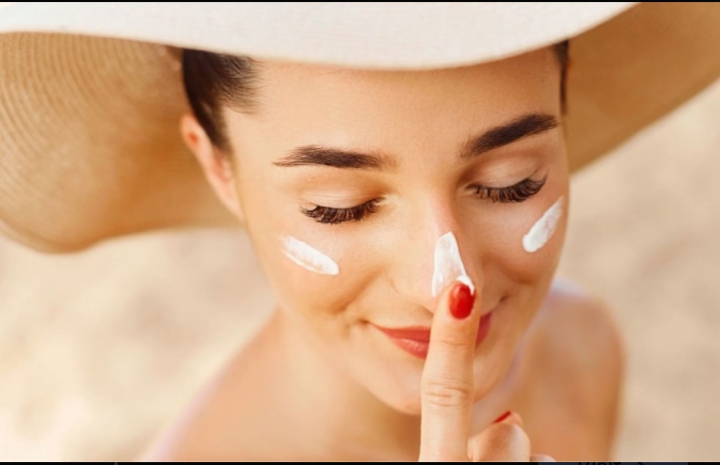
Sunscreen is widely regarded as one of the most vital steps in any skincare routine. Whether you’re heading out for a quick errand or spending hours outdoors, shielding your skin from the sun’s harmful ultraviolet (UV) rays is essential to maintaining skin health and preventing long term damage. Despite its importance, sunscreen is often neglected or misunderstood. Here are some of its importance:
- Preventing Skin Cancer
Skin cancer, particularly melanoma, is increasingly common, and excessive exposure to UV radiation is a leading risk factor. UV rays can damage the DNA in your skin cells, leading to mutations that may develop into cancer over time.
By applying sunscreen regularly, you can block out harmful UV radiation, lowering the risk of developing skin cancer. The American Academy of Dermatology suggests using a broad-spectrum sunscreen with an SPF of 30 or higher to ensure maximum protection against harmful rays.
- Avoiding Premature Aging (Photoaging)
Photoaging refers to the premature aging of the skin caused by repeated sun exposure. UV rays, especially UVA rays, penetrate deeply into the skin, breaking down collagen and elastin, leading to wrinkles, fine lines, and sagging known as sun damage.
Daily use of sunscreen prevents the breakdown of these critical skin components, helping your skin stay firm, smooth, and youthful. Consistently using sunscreen can significantly reduce the appearance of fine lines, wrinkles, and age spots, helping your skin maintain a more youthful appearance.
- Reducing Hyperpigmentation Risk
Hyperpigmentation, such as dark spots, melasma, or an uneven skin tone, is often triggered or worsened by sun exposure. UV rays stimulate melanin production, which can lead to an overproduction of pigment in certain areas of the skin, causing dark spots or patches.
Sunscreen acts as a protective barrier, preventing further darkening of existing spots and protecting against new pigmentation issues. If you suffer from hyperpigmentation or melasma, using sunscreen daily can help stop these issues from worsening and even prevent new spots from forming.
- Preventing Sunburn
Sunburn is not only painful but also contributes to long-term skin damage. Prolonged exposure to UV radiation causes inflammation and redness in the skin, leading to sunburn. Multiple sunburns, particularly during childhood or early adulthood, can increase the chances of developing skin cancer later in life.
By blocking UVB rays, sunscreen helps prevent sunburn. Using a sunscreen with a high SPF will shield your skin, even during extended periods in the sun. Remember to reapply sunscreen every two hours, or more frequently if you’re sweating or swimming, to maintain protection.
- Maintaining an Even Skin Tone
Many people seek an even skin tone, and sunscreen is crucial in achieving and preserving it. Sun exposure can lead to uneven pigmentation, redness, and discoloration, making the skin look patchy or dull. Sunscreen helps prevent these pigmentation issues, ensuring that your skin remains balanced and radiant.
Sunscreen is especially important if you’re using active skincare products, like retinol or vitamin C, which can make your skin more sensitive to the sun. Using sunscreen creates a shield that prevents pigmentation problems while allowing these active ingredients to work effectively.
- Supporting Skin Health and Strengthening the Skin Barrier
Sunscreen plays a key role in protecting and maintaining the skin’s outermost layer, known as the skin barrier. This barrier is essential in defending against environmental pollutants, moisture loss, and irritation. UV rays can weaken this protective layer, leading to dryness, irritation, and skin inflammation.
By applying sunscreen, you help preserve the strength of this protective layer, keeping your skin hydrated, resilient, and better equipped to fend off environmental stressors. A healthy skin barrier supports overall skin health and reduces the risk of irritation or allergic reactions from external factors.
- Suitable for All Skin Types
Regardless of whether your skin is oily, dry, sensitive, or acne prone, sunscreen is essential. There are different formulas available for each skin type lightweight gel-based sunscreens for oily skin, hydrating creams for dry skin, and gentle formulations for sensitive skin.
Sunscreen is also important for individuals with darker skin tones. While darker skin has some natural protection against UV rays due to increased melanin, it is still susceptible to sunburn, aging, and hyperpigmentation. No matter your skin type or color, daily sunscreen use is critical for skin protection.
- Sunscreen Is Necessary Year-Round
Sunscreen is not just for sunny days or when you’re outdoors for extended periods. UV rays are present every day, even when it’s cloudy or cold. Up to 80% of UV rays can still reach your skin on overcast days, so applying sunscreen daily is crucial for year-round protection. UV rays can also penetrate windows, meaning that even if you’re indoors, your skin is still exposed to some level of UV radiation.
How to Apply Sunscreen Correctly
To maximize the benefits of sunscreen, proper application is key. Here are some tips:
1.Choose the Right SPF: Opt for a broad-spectrum sunscreen with at least SPF 30 for everyday use. If you’re going to be outdoors for a long time, go for SPF 50 or higher.
2.Apply Generously: Use enough sunscreen to cover all exposed areas of your skin. A general guideline is about one ounce (roughly the amount in a shot glass) for your whole body. For your face, aim for about a nickel-sized amount.
3.Reapply Regularly: Sunscreen loses its effectiveness over time, especially if you’re sweating, swimming, or wiping your face. Reapply every two hours, or more often as needed, to ensure constant protection.
4.Don’t Miss Key Areas: Apply sunscreen to areas often forgotten, such as the ears, neck, and the backs of your hands. These areas are just as vulnerable to sun damage as your face.
Therefore, Sunscreen is a crucial part of any skincare regimen, offering a range of benefits from reducing the risk of skin cancer to preventing premature aging and maintaining an even complexion. Whether you have oily, dry, sensitive, or acne-prone skin, sunscreen helps protect your skin from harmful UV rays, ensuring long-term skin health. No matter the weather or your skin tone, daily sunscreen application is an essential habit for everyone. Make it a priority in your routine your skin will thank you now and in the future.