


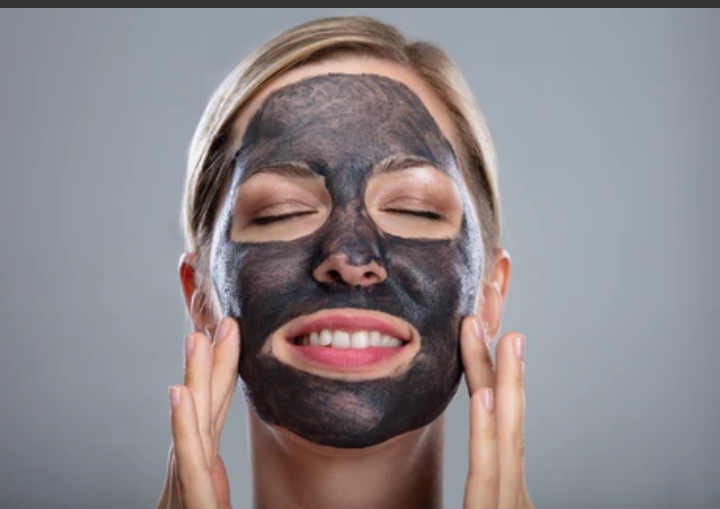
Charcoal has gained significant attention in the beauty industry and is now commonly included in cleansers, masks, soaps, and exfoliating products. Its popularity comes from its strong cleansing ability and its role in improving the appearance of the skin by removing unwanted impurities.
What Charcoal Does in Skincare
Skincare products typically use activated charcoal, a specially processed form of carbon created under high heat. This process forms tiny pores within the charcoal, allowing it to attract and hold onto dirt, oil, and other particles found on the skin. Because of this property, charcoal works effectively as a purifying ingredient.
Deep Cleansing Benefits
Throughout the day, the skin collects sweat, environmental pollutants, and cosmetic residue that can block pores. Charcoal helps lift away these substances, providing a deeper cleanse than many traditional products and leaving the skin feeling fresh and renewed.
Oil Reduction and Balance
Excess oil production can lead to shine and congestion. Charcoal helps absorb surplus oil from the skin’s surface, helping create a more balanced and matte appearance. This makes it especially useful for individuals with oily or combination skin.
Promoting Clearer Skin
When pores are kept clean, the likelihood of breakouts may decrease. By clearing away buildup that contributes to clogged pores, charcoal supports a clearer complexion and smoother-looking skin when used regularly as part of a skincare routine.
Enhancing Skin Texture
Removing impurities from pores can improve how the skin looks and feels. Skin often appears smoother and more refined after charcoal treatments because clean pores are less noticeable.
Gentle Exfoliation
Certain charcoal products also assist in removing dead skin cells during cleansing. This mild exfoliating action can brighten the complexion and allow other skincare products to absorb more effectively.
Suitable Use for Various Skin Types
Charcoal products work best for oily and combination skin but can also be used occasionally by those with normal skin. People with dry or sensitive skin should use charcoal treatments less often and follow up with moisturizing products to prevent dryness.
Safe Application Tips
- Limit charcoal masks to a few uses per week.
- Apply moisturizer after cleansing to maintain hydration.
- Test new products on a small area before full use.
- Avoid excessive application to prevent irritation.
Common Misconceptions
Charcoal is often described as a detoxifying ingredient, but its main function is surface purification rather than removing toxins from the body. Consistent skincare habits remain the most important factor in maintaining healthy skin.
Conclusion
Charcoal is valued in skincare for its ability to cleanse deeply, manage oil, and improve the skin’s overall appearance. When used appropriately and in moderation, it can be a helpful addition to a balanced skincare routine, supporting a cleaner and healthier-looking complexion.