


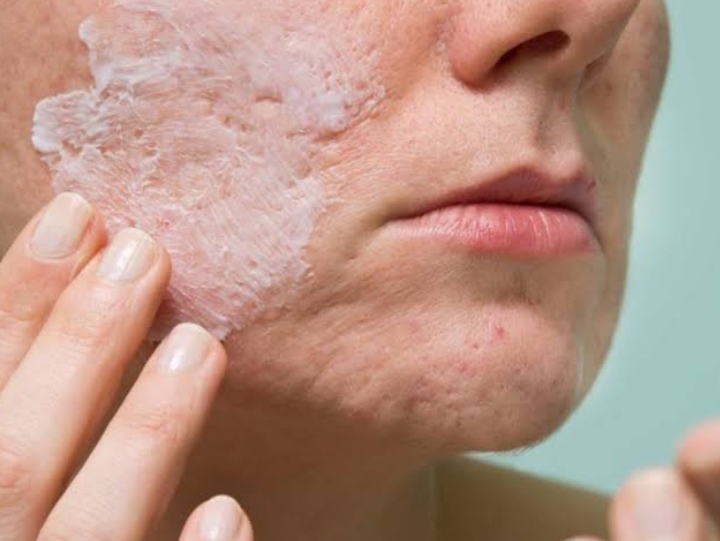
Acne is one of the most common skin conditions, affecting both teenagers and adults. It develops when pores become blocked by excess oil, dead skin cells, and bacteria, leading to pimples, blackheads, and inflammation. Among the many skincare ingredients used to manage acne, salicylic acid is widely recognized for its effectiveness in improving acne-prone skin. Understanding how it works and its benefits can help individuals make better skincare choices.
What Is Salicylic Acid?
Salicylic acid is a type of beta hydroxy acid (BHA) originally derived from willow bark. Unlike some exfoliating ingredients that only act on the skin’s surface, salicylic acid is oil-soluble, allowing it to penetrate deep into pores. Because of this ability, it is commonly included in products such as facial cleansers, toners, serums, and spot treatments designed for oily or acne-prone skin.
How Salicylic Acid Works
Salicylic acid works by clearing clogged pores and removing the buildup of oil and dead skin cells that contribute to acne formation. It promotes gentle exfoliation by helping the skin shed old cells more efficiently. The ingredient also has anti-inflammatory properties that reduce redness and swelling associated with breakouts. By keeping pores clean, it helps prevent new acne from forming.
Benefits of Salicylic Acid for Acne
Deep Pore Cleansing
Salicylic acid dissolves debris trapped inside pores, making it highly effective for clearing congestion that leads to acne.
Treatment of Blackheads and Whiteheads
It softens and loosens clogged material within pores, helping reduce non-inflamed acne such as blackheads and whiteheads.
Reduction of Inflammation
Its calming properties help decrease redness and swelling, improving the appearance of active breakouts.
Prevention of Future Breakouts
Regular use keeps pores clear, lowering the chances of new pimples developing.
Improved Skin Texture
Consistent exfoliation supports smoother, clearer skin and can improve rough or uneven texture caused by acne.
Who Can Benefit from Salicylic Acid?
Salicylic acid is especially beneficial for individuals with oily or combination skin and those experiencing mild to moderate acne. People who frequently struggle with clogged pores or blackheads often notice improvement with regular use. Those with very dry or sensitive skin may need lower concentrations or less frequent application to avoid irritation.
How to Use Salicylic Acid Safely
To use salicylic acid effectively, it is best to begin with a low concentration, typically between 0.5% and 2%. Beginners should apply it once daily or every other day while observing how their skin reacts. Using a moisturizer helps prevent dryness, and sunscreen should be applied during the day because exfoliating acids can increase sensitivity to sunlight. Gradual introduction helps minimize irritation.
Possible Side Effects
Although generally safe, salicylic acid may cause mild dryness, peeling, or temporary redness, especially when first added to a skincare routine. Reducing the frequency of use usually helps if irritation occurs.
Salicylic Acid Compared with Other Acne Treatments
Salicylic acid provides a balanced approach compared with other acne treatments. Benzoyl peroxide mainly targets acne-causing bacteria but can be more drying. Alpha hydroxy acids primarily exfoliate the skin’s surface, while retinoids increase cell turnover but may cause stronger initial irritation. Salicylic acid is often considered a suitable starting option because it effectively treats clogged pores while remaining relatively gentle.
Conclusion
Salicylic acid is a reliable ingredient for managing acne due to its ability to penetrate pores, exfoliate the skin, reduce inflammation, and prevent future breakouts. With consistent and proper use, it can help improve skin clarity, texture, and overall appearance, making it a valuable addition to many acne treatment routines.