


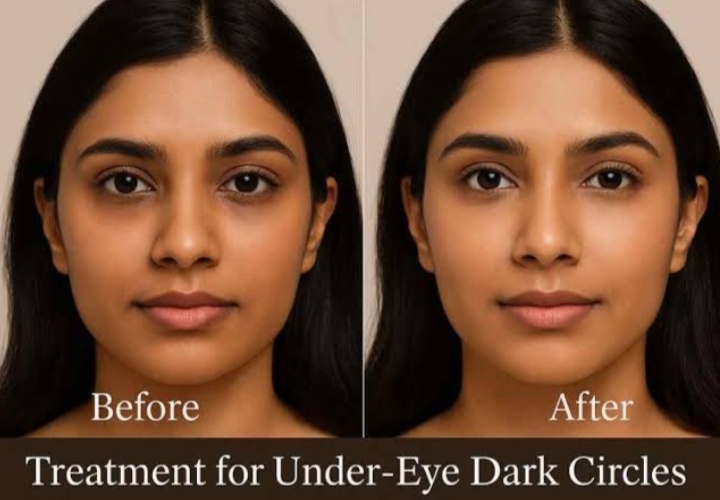
Dark circles under the eyes are a common issue that can make a person look tired or older than they feel. Although they are usually harmless, understanding what causes them can help in choosing the right way to reduce their appearance.
Common Causes of Dark Circles
There are several reasons why dark circles develop, and often more than one factor is involved.
Lack of sleep is a major cause, as it can make the skin appear pale and allow underlying blood vessels to show through more clearly. Genetics also play a role, with some individuals naturally having thinner skin or more pigmentation around the eyes.
As people age, the skin loses collagen and becomes thinner, making dark areas more noticeable. Dehydration can leave the under-eye area looking dull and sunken. Allergies may also contribute by causing irritation and frequent rubbing of the eyes, which can worsen discoloration.
Different Types of Dark Circles
Dark circles can vary in appearance, and identifying the type can help guide treatment.
Pigmented dark circles appear brown and are often linked to sun exposure or inherited traits. Vascular dark circles have a bluish or purple tone due to visible blood vessels beneath the skin. Structural dark circles are caused by shadows created by puffiness or hollowness under the eyes.
Ways to Reduce Dark Circles
Improving sleep habits is one of the simplest and most effective steps. Getting enough rest allows the skin to recover and look more refreshed.
Staying hydrated is also important, as proper hydration helps maintain skin fullness and brightness.
Using the right skincare products can make a difference. Ingredients like vitamin C can brighten the skin, caffeine can reduce puffiness, retinol can support collagen production, and hyaluronic acid helps retain moisture.
Protecting the skin from sun exposure is essential, as sunlight can worsen pigmentation. Applying sunscreen regularly helps prevent further darkening.
Cold compresses can also be helpful by reducing swelling and making blood vessels less visible.
Professional Treatment Options
For more stubborn dark circles, professional treatments may be considered. Options such as chemical peels, laser therapy, and dermal fillers can improve skin tone, texture, and volume under the eyes. These treatments should be performed by qualified professionals.
Helpful Daily Habits
Simple lifestyle changes can support improvement over time. Reducing screen use before bedtime, sleeping with the head slightly elevated, avoiding rubbing the eyes, and maintaining a healthy diet can all contribute to better skin around the eyes.
Final Thoughts
Managing dark circles often requires a combination of good habits and proper skincare. Since the causes can differ from person to person, it is important to choose an approach that suits your specific needs. With consistent care, the under-eye area can appear brighter and more refreshed.