


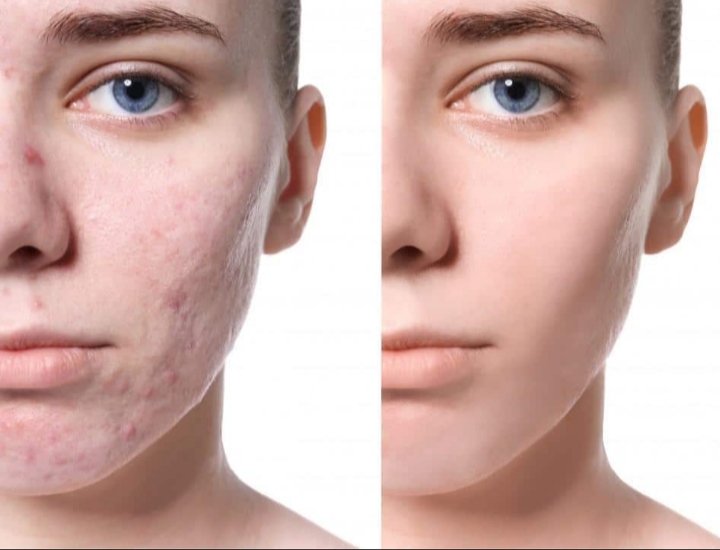
Acne is a widespread skin issue that many people experience at some point in their lives. While breakouts may clear up, they often leave behind scars that can impact self-esteem. These scars vary in form such as ice pick, boxcar, rolling, and raised scars and each type may require a different approach for treatment. The good news is that several solutions are available to help improve the appearance of acne scars.
1. Topical Treatments
Mild acne scars can often be improved with consistent use of skincare products:
- Retinoids: These promote faster skin cell turnover and help fade discoloration.
- Vitamin C Serums: Known for brightening the skin and reducing dark spots.
- Exfoliating Acids: Ingredients like glycolic acid (AHA) and salicylic acid (BHA) help remove dead skin cells and encourage renewal.
- Silicone Gels: Useful for flattening and softening raised scars over time.
2. Chemical Peels
Chemical peels involve applying acids to exfoliate the top layer of skin, allowing new, smoother skin to develop. They are particularly useful for shallow scars and uneven skin tone. For best results, they should be done under professional guidance.
3. Microneedling
This treatment uses fine needles to create tiny punctures in the skin, which stimulates collagen production. It is especially helpful for certain types of indented scars, with improvements becoming more noticeable after several sessions.
4. Laser Treatments
Laser procedures are among the most advanced options for treating acne scars:
- Fractional CO₂ Laser: Targets deeper scars by resurfacing the skin.
- Erbium Laser: A gentler option suitable for moderate scarring.
- Pulsed Dye Laser: Helps reduce redness associated with scars.
These treatments typically require multiple sessions and should be performed by qualified professionals.
5. Dermal Fillers
Depressed scars can be temporarily improved with fillers that lift the skin, creating a smoother appearance. Although results are immediate, maintenance treatments are often needed.
6. Natural Remedies
Some home based approaches may offer mild improvements:
- Aloe vera can calm the skin and support healing.
- Honey may enhance skin texture over time.
- Lemon juice has lightening properties but must be used carefully to avoid irritation.
7. Prevention Tips
Taking steps to prevent new scars is essential:
- Avoid touching or popping pimples.
- Apply sunscreen regularly to reduce dark spots.
- Maintain a gentle and consistent skincare routine.
Conclusion
Although acne scars can be difficult to treat, combining professional procedures, effective skincare products, and good daily habits can greatly improve skin appearance. Consulting a skincare specialist can help you choose the most suitable treatment based on your skin type and scar severity.