


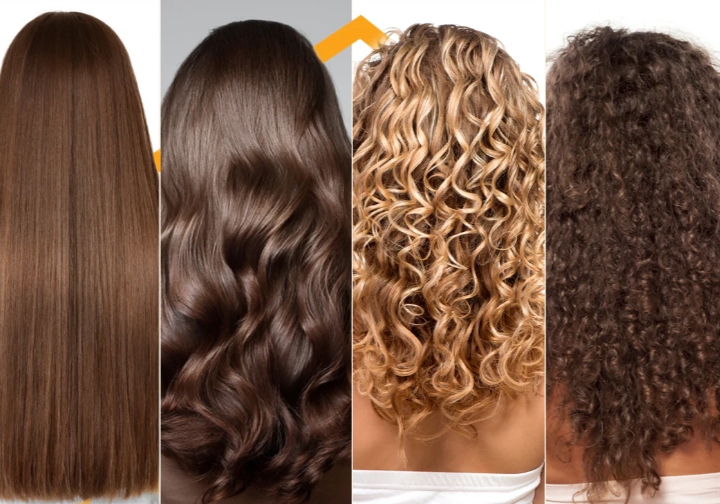
Taking care of your hair is an essential part of personal hygiene and appearance, but it’s important to recognize that different hair types require different approaches. Whether your hair is straight, wavy, curly, or coily, understanding its specific needs will help you keep it healthy, strong, and attractive.
Straight hair usually allows natural oils to spread easily from the scalp to the ends, which can sometimes result in an oily appearance. To manage this, it is best to wash the hair regularly with a gentle shampoo. Using light conditioners is recommended, as heavier products may make the hair look flat. Limiting styling products and using dry shampoo occasionally can also help control excess oil.
Wavy hair, which typically forms soft “S” patterns, can be prone to frizz if not properly cared for. A moisturizing shampoo and conditioner can help maintain smoothness. It is advisable to avoid brushing dry hair; instead, use a wide-tooth comb while the hair is damp. Light styling products such as mousse or cream can help define the waves without weighing them down.
Curly hair often lacks moisture because natural oils do not easily travel along the strands. Therefore, keeping the hair hydrated is very important. Using sulfate-free shampoos along with rich conditioners can improve moisture retention. Weekly deep conditioning treatments are also beneficial. To protect the curl pattern, it is best to limit heat styling and allow the hair to dry naturally or with a diffuser.
Coily or kinky hair is delicate and more likely to break, making extra care necessary. This hair type needs consistent moisture, so thick conditioners and natural oils are highly recommended. Protective hairstyles like braids or twists can reduce damage and support hair growth. It is also important to handle the hair gently and avoid tight styles that can cause stress on the strands.
Beyond specific routines for each hair type, some general practices apply to everyone. Eating a nutritious diet rich in essential vitamins and minerals promotes healthy hair. Staying hydrated by drinking enough water also supports hair health. Regular trims help eliminate split ends, and minimizing the use of heat tools prevents damage.
In conclusion, knowing your hair type and following a suitable care routine can greatly improve the condition and appearance of your hair. With proper and consistent care, you can enjoy healthier, shinier, and more manageable hair over time.