


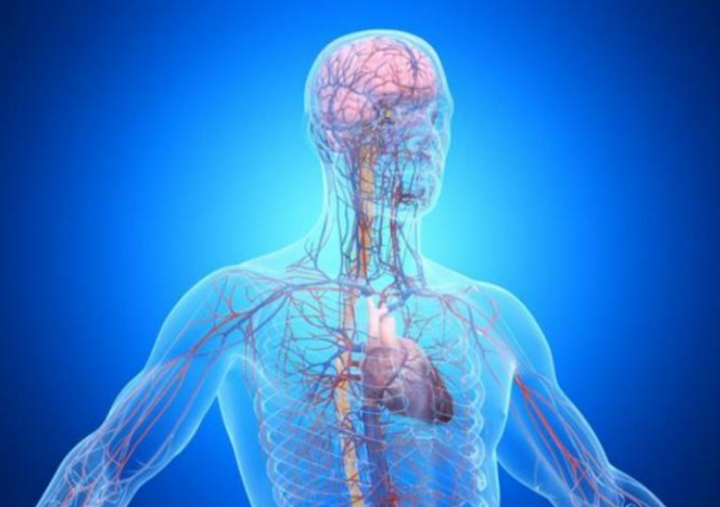
Cardiomyopathy is a condition that affects how well the heart muscle works, often reducing its ability to pump blood and increasing the risk of irregular heartbeats or heart failure. While external factors can contribute, genetics are a major cause in many cases, making the condition potentially hereditary and difficult to detect early.
The Role of Genetics
Many cases of cardiomyopathy are linked to inherited gene mutations that affect the structure and function of heart muscle cells. These genetic changes can weaken the heart or alter its shape over time.
Often, the condition is passed down in families through a dominant inheritance pattern, meaning a person can inherit it from just one affected parent.
Genetically Linked Types
Certain forms of cardiomyopathy are more commonly associated with genetic causes:
- Hypertrophic cardiomyopathy: Characterized by abnormal thickening of the heart muscle
- Dilated cardiomyopathy: Involves enlargement and weakening of the heart
- Arrhythmogenic cardiomyopathy: Causes replacement of heart muscle with fatty or fibrous tissue, leading to rhythm problems
These types can develop even in otherwise healthy individuals.
Genetic Mutations and Their Effects
Specific gene mutations can interfere with:
- The structure of heart muscle fibers
- Electrical activity of the heart
- Communication between heart cells
These disruptions may not cause symptoms immediately, making early detection challenging.
Importance of Family History
A history of heart disease, sudden cardiac death, or unexplained fainting in the family can indicate a higher genetic risk. Because symptoms may appear later, individuals may unknowingly carry and pass on the condition.
Testing and Early Detection
Genetic testing helps identify those at risk and confirm diagnoses. Combined with screening tools like heart imaging and ECGs, it allows for earlier and more accurate detection.
Possible Complications
If left unmanaged, genetic cardiomyopathy can lead to serious outcomes such as:
- Heart failure
- Abnormal heart rhythms
- Stroke
- Sudden cardiac arrest
Managing the Condition
Although genetic causes cannot be reversed, their effects can be controlled through:
- Medications
- Lifestyle changes
- Medical devices like defibrillators
- Routine monitoring
Early management can greatly reduce the risk of complications.
Support Through Genetic Counseling
Genetic counseling provides guidance for individuals and families, helping them understand risks, testing options, and future planning decisions.
Future Outlook
Research is advancing toward treatments that target the genetic causes of cardiomyopathy, including personalized and gene-based therapies, offering hope for more effective care in the future.
Genetic factors play a significant role in cardiomyopathy, making awareness and early screening essential. By understanding family history, seeking testing, and managing risks proactively, individuals can better protect their heart health and reduce the chances of severe complications.