


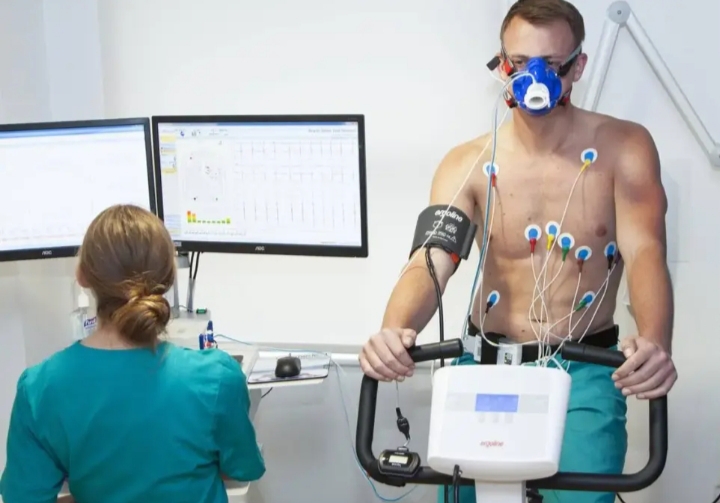
Cardiomyopathy is a group of disorders that affect the heart muscle and reduce its ability to pump blood efficiently. Examples include Dilated Cardiomyopathy, Hypertrophic Cardiomyopathy, and Restrictive Cardiomyopathy. Although these conditions can limit physical activity, appropriately planned exercise programs can significantly improve patients’ health and daily functioning.
Understanding the Role of Exercise
In the past, individuals with cardiomyopathy were often discouraged from engaging in physical activity. However, current medical evidence supports the inclusion of structured and supervised exercise as part of treatment. Exercise helps improve blood circulation, strengthens muscles, reduces fatigue, and enhances emotional well being. It is commonly incorporated into Cardiac Rehabilitation, where patients receive individualized and closely monitored training.
Benefits of Exercise in Cardiomyopathy
Engaging in regular exercise helps the heart function more efficiently and increases the body’s ability to tolerate physical activity. Patients often experience reduced symptoms such as breathlessness and fatigue. In addition, exercise contributes to improved mental health by lowering stress and anxiety levels, while also helping to manage body weight and cardiovascular risk factors.
Types of Recommended Exercises
Exercise routines for cardiomyopathy patients should be tailored to their specific condition and guided by medical advice. Moderate aerobic activities such as walking, cycling, and swimming are commonly recommended, as they enhance heart and lung function. Light resistance training is also beneficial for building muscle strength and endurance when performed with low weights and proper technique. Flexibility and balance exercises further support mobility and help prevent falls, particularly in older individuals.
Exercise Prescription Guidelines
Before beginning any exercise program, patients should undergo proper medical evaluation. It is important to start with low intensity activities and gradually increase duration and frequency over time. Monitoring exercise intensity is essential to prevent overexertion, and maintaining consistency is more beneficial than engaging in strenuous activities occasionally. Individuals with Hypertrophic Cardiomyopathy may need stricter precautions, especially avoiding intense or competitive sports due to potential risks.
Safety Considerations
Safety remains a top priority when exercising with cardiomyopathy. Patients should avoid sudden or vigorous exertion and stop exercising immediately if they experience symptoms such as chest pain, dizziness, or severe shortness of breath. Adequate hydration and avoiding extreme environmental conditions are also important. Supervised exercise is particularly advisable during the early stages of a program.
Role of Healthcare Professionals
Healthcare providers, including cardiologists and physiotherapists, are essential in designing safe and effective exercise plans. They monitor patient progress, adjust exercise intensity when needed, and ensure that the program aligns with the patient’s medical condition.
Challenges and Limitations
Some patients may be hesitant to exercise due to fear of worsening their condition or triggering symptoms. Limited access to rehabilitation services and the presence of other health issues can also restrict participation. Providing proper education and support can help patients overcome these challenges.
Future Perspectives
Advancements in healthcare technology are improving exercise management for cardiomyopathy patients. Wearable devices and personalized treatment approaches allow for better monitoring and safer exercise participation, contributing to improved long-term outcomes.
Conclusion
Well-structured exercise programs are an important part of managing cardiomyopathy. When properly supervised, they help improve physical capacity, reduce symptoms, and enhance overall quality of life. With appropriate medical guidance, patients can safely engage in regular physical activity and experience meaningful health benefits.