


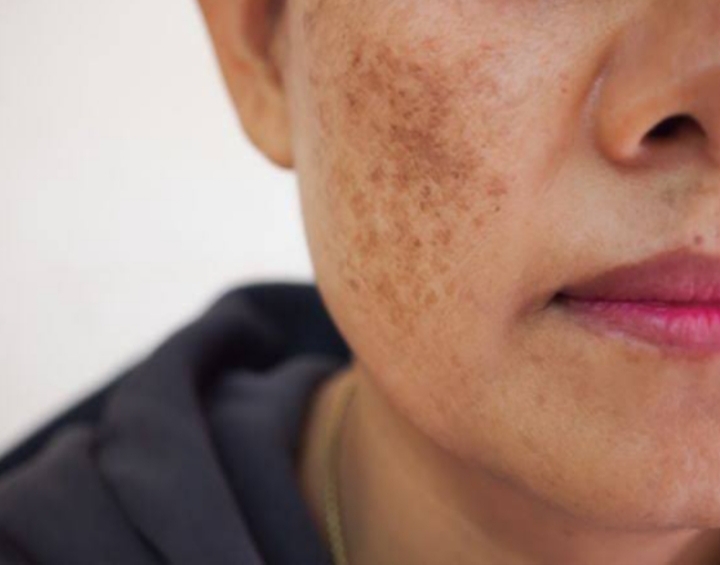
Dark spots, also known as hyperpigmentation, are areas of skin that appear darker than the surrounding skin due to excess melanin production. They can develop from various factors, including sun exposure, aging, acne scars, hormonal changes, or skin injuries. While they are usually harmless, many people seek ways to minimize their appearance for a smoother, more even complexion.
Identifying the Causes
Understanding the root cause of dark spots is essential for effective treatment:
- Sun exposure: UV rays trigger melanin production, leading to sunspots.
- Acne and skin injuries: Post-inflammatory hyperpigmentation occurs after pimples, cuts, or burns.
- Hormonal fluctuations: Conditions like pregnancy or birth control use can lead to melasma.
- Aging: Age spots naturally develop as skin cells accumulate pigment over time.
Knowing the cause helps in selecting the most suitable treatment method.
Protect Your Skin from UV Damage
Preventing further dark spots is crucial, and sun protection is key:
- Apply a broad-spectrum sunscreen with SPF 30 or higher daily.
- Wear protective clothing, including hats and long sleeves.
- Seek shade during peak sun hours, typically between 10 a.m. and 4 p.m.
Use Targeted Topical Treatments
Several topical ingredients can help lighten dark spots gradually:
- Vitamin C: An antioxidant that brightens skin and inhibits melanin formation.
- Niacinamide: Reduces hyperpigmentation while strengthening the skin barrier.
- Retinoids: Encourage cell turnover, fading dark spots over time.
- Hydroquinone: A professional skin-lightening agent (use under medical supervision).
- Alpha hydroxy acids (AHAs): Exfoliate gently to improve skin tone and texture.
Consistency is important, as results typically appear over weeks or months.
Professional Treatment Options
For persistent dark spots, professional treatments may deliver faster results:
- Chemical peels: Remove the outer skin layer to reveal brighter skin.
- Laser therapy: Targets pigmented areas to break up dark spots.
- Microdermabrasion: Gently exfoliates skin to reduce discoloration.
- Microneedling: Stimulates collagen production and helps even out skin tone.
Consulting a dermatologist can help determine the best treatment for your skin type.
Maintain a Consistent Skincare Routine
A good skincare regimen supports long-term improvement:
- Cleanse gently to remove dirt and impurities.
- Exfoliate 1–2 times per week to promote skin renewal.
- Moisturize daily to keep skin hydrated and healthy.
- Avoid picking at spots or acne to prevent worsening pigmentation.
Healthy Lifestyle Practices
Lifestyle habits also play a role in reducing dark spots:
- Drink plenty of water to aid skin repair.
- Eat a nutrient-rich diet high in antioxidants and vitamins.
- Manage stress, as it can negatively affect skin health.
- Get adequate sleep to allow skin regeneration and healing.
Conclusion
Although dark spots are a common skin concern, their appearance can be significantly improved with proper care. Combining sun protection, targeted topical treatments, professional procedures, and a consistent skincare routine along with healthy lifestyle habits provides the best results. Patience and persistence are essential for achieving a more even, radiant complexion.