


Skincare advice is widely shared through social media, advertisements, blogs, and everyday conversations. While some recommendations are helpful, many popular beliefs about skincare are inaccurate and can lead to ineffective routines or skin problems. Knowing the facts behind these misconceptions allows you to make informed decisions and care for your skin more effectively.
One common myth is that oily skin does not require moisturizer. Many people avoid moisturizing because they fear it will increase oiliness or cause breakouts. However, when the skin lacks hydration, it may produce even more oil to compensate. Using a lightweight, non-comedogenic moisturizer helps maintain balance and keeps the skin properly hydrated.
Another widespread belief is that natural ingredients are always safer or better than synthetic ones. Although natural products can be beneficial, some plant-based ingredients may irritate sensitive skin. At the same time, many laboratory-developed ingredients are carefully tested for safety and effectiveness. The quality of a product depends more on its formulation than whether it is natural or synthetic.
Some people think sunscreen is necessary only on bright, sunny days. In reality, ultraviolet rays can penetrate clouds and reach the skin even when indoors near windows. Daily exposure to these rays contributes to premature aging and skin damage, making consistent sunscreen use important regardless of the weather.
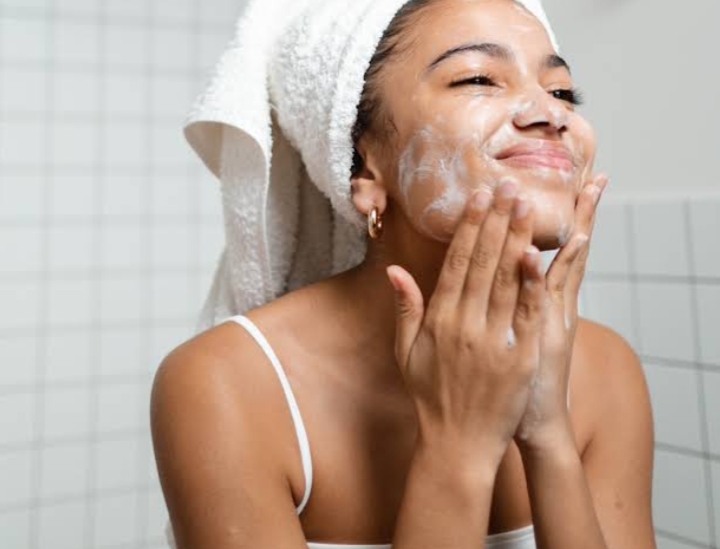
There is also a belief that washing the face frequently helps prevent acne. Over-cleansing can strip the skin of its natural protective oils, weakening the skin barrier and causing irritation. This may lead to increased oil production and worsen breakouts rather than improve them.
Many assume that expensive skincare products are automatically more effective. In truth, price often reflects branding and packaging rather than performance. Affordable products can contain the same active ingredients as high-end options, making ingredient suitability more important than cost.
Another myth suggests that pores can open and close. Pores do not have muscles, so they cannot physically change size. While warm water may help loosen debris and cold temperatures may temporarily tighten the skin’s appearance, pore size itself remains unchanged.
Acne is often blamed solely on poor hygiene, but this is inaccurate. Breakouts are influenced by hormones, genetics, oil production, bacteria, and inflammation. Excessive scrubbing or harsh treatments can irritate the skin and make acne worse instead of improving it.
Some people believe skincare products must cause tingling or burning sensations to be effective. While mild sensations can occur with certain active ingredients, strong stinging usually indicates irritation rather than effectiveness. Healthy skincare should support and protect the skin barrier.
Another common misconception is that drinking large amounts of water alone can clear the skin. Hydration supports overall health, but skin condition is affected by multiple factors such as skincare habits, diet, sleep, hormones, and sun protection.
Many individuals also expect immediate results from new skincare products. However, the skin requires time to renew itself, and noticeable improvements often appear only after consistent use over several weeks.
Focusing on simple, evidence-based habits is more beneficial than following trends or myths. Gentle cleansing, regular moisturizing, daily sun protection, gradual introduction of active ingredients, and consistency in routine all contribute to healthier skin.
Understanding the difference between skincare myths and facts helps prevent common mistakes and encourages smarter skincare choices. Healthy skin is achieved through balanced care, patience, and routines tailored to individual needs rather than relying on popular misconceptions.