


Introduction
Maintaining good oral health is an essential part of a child’s overall development. Healthy teeth help children chew food comfortably, speak properly, and feel confident about their appearance. Developing positive dental habits at an early age reduces the risk of tooth decay, gum problems, and other oral conditions. Parents play a key role in helping children build and maintain these healthy routines.
Importance of Dental Health in Children
Primary teeth, often called baby teeth, are important for eating, speech development, and guiding permanent teeth into their correct positions. Poor oral hygiene can cause pain, infections, and difficulties with eating or concentrating in school. Preventive dental care during childhood helps avoid more serious problems later in life.
Common Dental Problems in Children
Tooth decay is one of the most frequent dental issues among children and is often linked to sugary diets and inadequate brushing. Plaque buildup can also lead to gum irritation and inflammation. Other concerns may include tooth sensitivity, premature tooth loss, and improper alignment of teeth.
When to Begin Dental Care
Oral care should start before teeth appear by gently cleaning an infant’s gums with a soft, damp cloth after feeding. Once teeth begin to emerge, parents should use a soft toothbrush and a small amount of fluoride toothpaste to clean them. Dental visits are recommended within the first year of life or shortly after the first tooth erupts.
Proper Brushing and Flossing Practices
Children should brush their teeth twice daily using fluoride toothpaste under parental supervision. Only a small, pea-sized quantity of toothpaste is needed for young children. Flossing should begin when teeth touch each other to remove trapped food particles and plaque between teeth.
Nutrition and Dental Health
A balanced diet contributes greatly to strong teeth and healthy gums. Foods rich in calcium, along with fruits and vegetables, support dental development. Reducing sugary snacks and sweet drinks helps lower the risk of cavities. Drinking water after meals can help rinse away food debris and bacteria.
Importance of Regular Dental Visits
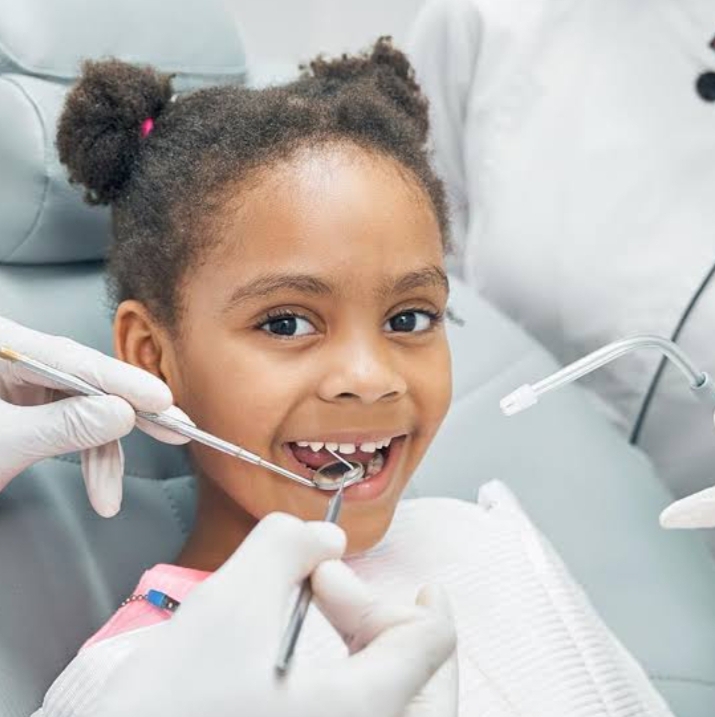
Routine dental checkups allow early detection of potential problems and provide preventive treatments such as fluoride therapy or dental sealants. Regular visits also help children become familiar with the dental environment, reducing fear during appointments.
Preventing Dental Injuries
Because children are often physically active, dental injuries may occur during play or sports. Wearing protective mouthguards during sports activities and ensuring safe play conditions can help protect teeth from damage.
Encouraging Healthy Oral Habits
Parents can make brushing enjoyable by creating fun routines, using colorful toothbrushes, or introducing reward systems. Children are more likely to adopt good habits when they see parents practicing proper oral hygiene themselves.
Warning Signs to Watch For
Parents should consult a dentist if a child experiences ongoing tooth pain, swollen or bleeding gums, unusual spots on teeth, persistent bad breath, or difficulty chewing. Early treatment helps prevent more serious dental complications.
Conclusion
Supporting children’s dental health involves consistent hygiene practices, proper nutrition, and regular professional care. By encouraging healthy habits from an early age, parents can help ensure strong teeth and good oral health that continue into adulthood.