


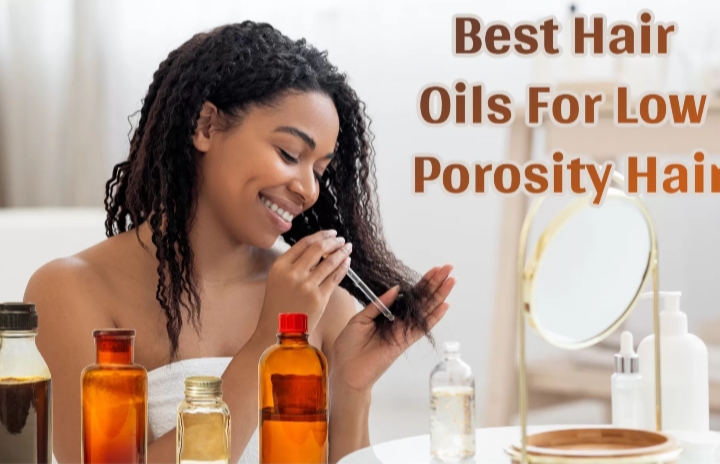
Low porosity hair is often frustrating to manage because products seem to “sit on top” instead of absorbing. Water takes time to soak in, conditioners don’t feel effective, and buildup happens quickly. This is because the hair cuticle is tightly closed, making it harder for moisture and products to enter.
The solution isn’t piling on more products it’s choosing formulas and methods that allow proper penetration.
What Low Porosity Hair Means
In low porosity hair, the cuticles are tightly packed and lie flat. This leads to:
- Slow water absorption
- Products sitting on the surface
- Quick buildup from heavy creams and oils
- Hair feeling dry despite regular moisturizing
To improve moisture retention, products must be light and able to pass through the compact cuticle layer.
Use Warmth to Help Absorption
Low porosity hair responds much better when heat is involved.
Effective methods include:
- Washing with warm water instead of cold
- Using a warm towel after applying conditioner
- Deep conditioning under heat or a hooded dryer
Heat gently lifts the cuticle, allowing moisture and nutrients to enter.
Stick to Lightweight, Water-Based Formulas
Thick products often fail to penetrate and instead coat the hair.
Better options are:
- Water-based leave-in conditioners
- Liquid moisturising sprays
- Light serums and milks
These are easier for the hair to absorb and won’t cause heavy buildup.
Ingredients That Actually Penetrate
Some ingredients are small or hydrating enough to work well for low porosity hair:
- Glycerin (best in humid conditions)
- Aloe vera
- Honey (natural humectant)
- Panthenol (vitamin B5)
- Hydrolyzed proteins (small protein molecules)
These help deliver moisture deeper into the hair strand instead of sitting on top.
Deep Condition With Heat for Better Results
Deep conditioners work best when combined with warmth.
For improved absorption:
- Apply on damp hair
- Cover with a plastic or heat cap
- Leave for 20–40 minutes
Choose formulas that are light or balanced rather than extremely thick masks, unless heat is used.
Choose Light Oils, Not Heavy Ones
Heavy oils can block moisture from entering low porosity hair.
Better alternatives include:
- Grapeseed oil
- Jojoba oil
- Argan oil
- Sweet almond oil
Use oils lightly, mainly to seal moisture after hydration—not as a base layer.
Clarify Regularly to Prevent Buildup
Because products don’t absorb easily, residue builds up faster.
A clarifying shampoo every 1–2 weeks helps:
- Remove buildup
- Refresh the hair
- Improve moisture absorption
Without this step, even good products may stop working effectively.
Keep Your Routine Simple
Too many products can overwhelm low porosity hair.
It responds best to:
- Simple layering
- Light moisturizers
- Minimal heavy butters or creams
A basic routine often works better than an overloaded one.
Final Thoughts
Low porosity hair isn’t hard to manage it just needs the right approach. Lightweight, water-based products combined with heat and regular cleansing help moisture actually penetrate the hair instead of sitting on the surface.
When the right products and methods are used, the hair becomes softer, more hydrated, and much easier to maintain.