


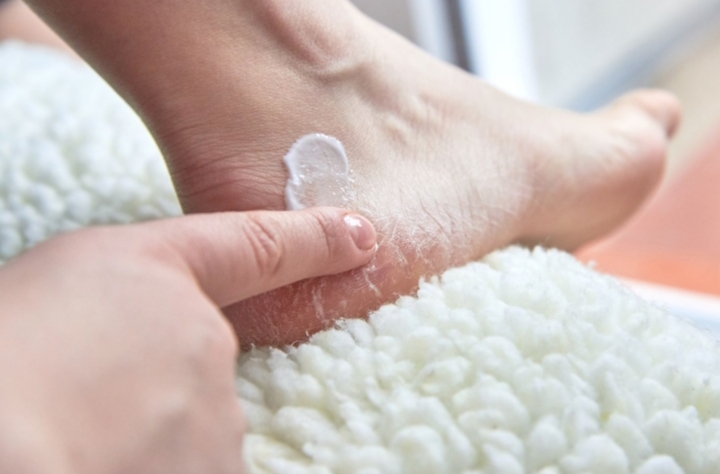
Fungal infections are widespread and can affect various parts of the body, particularly the skin and mucous membrane. Antifungal medications are important in treating these conditions, helping to control symptoms and eliminate the fungi causing the infection.
Overview of Fungal Infections
Fungi are organisms that grow well in warm and damp environments. Although many are harmless, some can lead to infections when they multiply excessively or when the immune system is weakened. Athlete’s foot mainly affects the skin, especially between the toes, causing itching and scaling. Thrush is caused by an overgrowth of Candida yeast and can occur in areas such as the mouth, throat, or genital region.
What Are Antifungal Medications?
Antifungal medications are drugs used to either destroy fungi or prevent their growth. They act by damaging the fungal cell structure or disrupting processes necessary for their survival.
These medications come in various forms, including creams, powders, ointments, tablets, and liquid preparations, depending on the type and severity of the infection.
Categories of Antifungal Drugs
1. Topical Treatments
Topical antifungals are applied directly to the affected area and are typically used for mild infections like athlete’s foot. Examples include:
They help reduce itching and clear the infection when used regularly.
2. Oral Treatments
Oral antifungals are taken by mouth and are used for more serious or widespread infections, such as persistent thrush. Common examples include:
These are usually prescribed when topical treatments are not effective.
3. Specialized Antifungal Drugs
Certain infections may require specific antifungal agents depending on the type of fungus and the area affected.
Treatment of Athlete’s Foot
Athlete’s foot is commonly treated with topical antifungal creams or powders. Maintaining dry and clean feet is important for effective healing. In severe cases, oral medications may be needed.
Treatment of Thrush
The treatment of thrush depends on its severity and location. Oral thrush is often managed with antifungal mouthwashes or tablets, while vaginal thrush may be treated with creams, suppositories, or oral drugs. Good hygiene and addressing underlying factors are also essential.
Challenges in Treatment
- Drug Resistance: Some fungi may become less responsive to treatment over time.
- Incomplete Use of Medication: Stopping treatment too early can result in recurrence.
- Possible Side Effects: Oral antifungals can sometimes cause mild side effects like nausea or headaches.
Prevention Measures
- Keep the body clean and dry
- Avoid sharing personal items
- Wear breathable clothing and footwear
- Maintain proper hygiene
- Follow prescribed treatments carefully
Conclusion
Antifungal medications are crucial for treating infections such as athlete’s foot and thrush. When used correctly and combined with good hygiene practices, they are highly effective. Early treatment and proper adherence to medication help ensure full recovery and reduce the risk of the infection returning.