


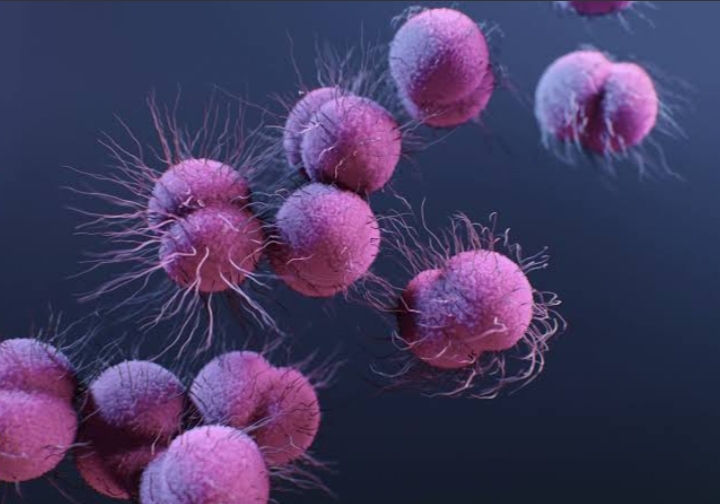
Antibiotic resistance has become one of the most pressing health issues worldwide. Antibiotics, once regarded as life-saving drugs, have played a major role in treating infections and saving countless lives. However, their excessive and improper use has led to the emergence of resistant bacteria, making many infections more difficult to manage.
Understanding Antibiotic Resistance
Antibiotic resistance happens when bacteria change in ways that allow them to survive drugs designed to kill them. As a result, treatments that were once effective no longer work, infections last longer, and the likelihood of spreading disease increases. It is important to understand that resistance develops in bacteria, not in the human body.
Factors Contributing to Resistance
Several causes have accelerated the development of antibiotic resistance:
- Misuse in Human Medicine: Antibiotics are often taken when they are not needed, such as for viral illnesses like colds.
- Failure to Complete Treatment: Stopping medication too early allows some bacteria to survive and become resistant.
- Use in Animal Farming: Antibiotics are commonly used in livestock production, contributing to resistance.
- Inadequate Hygiene Practices: Poor sanitation and infection control can promote the spread of resistant bacteria.
Effects on Global Health
Antibiotic resistance has serious consequences for healthcare systems around the world. Diseases such as pneumonia, tuberculosis, and urinary tract infections are becoming harder to treat. It also increases the risks associated with medical procedures like surgeries, cancer treatments, and organ transplants, which depend on effective antibiotics.
Moreover, resistant infections often lead to longer hospital stays, higher medical costs, and increased strain on healthcare resources.
Transmission of Resistance
Resistant bacteria can move between humans, animals, and the environment. Global travel and trade have made it easier for these bacteria to spread across countries, turning antibiotic resistance into a worldwide issue.
Ways to Prevent and Control the Problem
Combating antibiotic resistance requires joint efforts from individuals, health professionals, and governments. Important measures include:
- Using Antibiotics Wisely: Only take them when prescribed by a healthcare provider.
- Following Prescriptions Properly: Always complete the full course of treatment.
- Maintaining Good Hygiene: Practices like handwashing help prevent infections.
- Promoting Vaccination: Vaccines reduce the need for antibiotics by preventing illness.
- Controlling Use in Agriculture: Reducing antibiotic use in livestock is essential.
- Encouraging Research: Investment in new treatments and alternatives is necessary.
Conclusion
Antibiotic resistance is a rapidly growing global threat that undermines the effectiveness of modern medicine. If not properly addressed, infections that are currently treatable could become life-threatening again. Responsible antibiotic use, increased awareness, and improved healthcare practices are vital to slowing its spread and safeguarding public health for the future.