


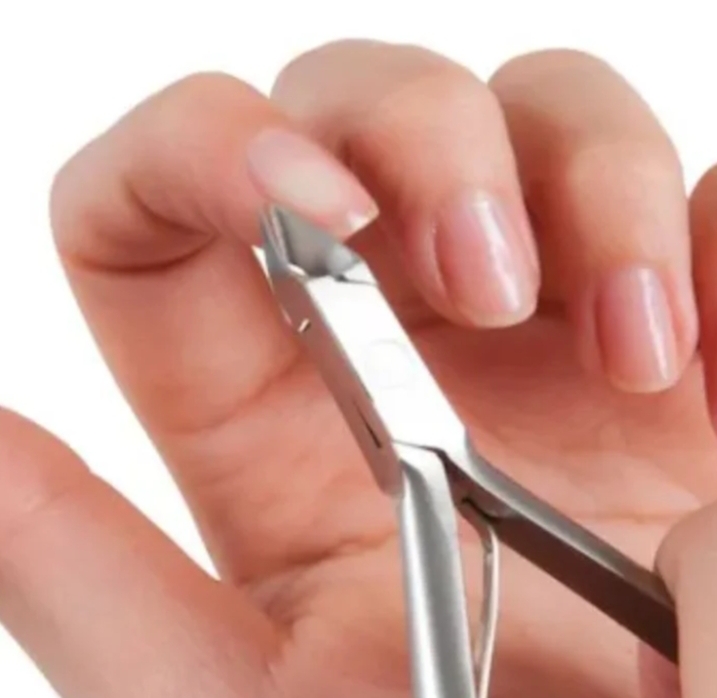
Cuticle care is an important part of nail grooming, but many people are unsure whether cuticles should be trimmed or left untouched. While some prefer a clean, polished nail look, others believe cutting cuticles can do more harm than good. Knowing what cuticles do helps in making the right choice for healthy nails.
What Cuticles Do
Cuticles are the thin layer of skin found at the base of the nails. Their main function is to protect new nail growth. They form a seal that blocks dirt, bacteria, and fungi from entering the nail area, helping to prevent infections.
Because of this protective role, cuticles are more important for nail health than they might seem.
Why Cutting Cuticles Can Be Risky
Many nail care specialists recommend avoiding cutting cuticles. If they are trimmed incorrectly, the skin can become irritated or even injured, which may lead to infections. Even small cuts can cause pain, swelling, or inflammation around the nail.
Cutting them also removes part of the nail’s natural protective barrier, making it easier for germs to enter and potentially harm the nail bed.
For this reason, professionals often suggest avoiding cutting and instead focusing on gentle maintenance.
When Cutting Is Done
Some people still choose to trim cuticles for aesthetic reasons. Excess or hardened cuticle skin can make nails look messy, and removing it can give a cleaner appearance during manicures.
In professional nail salons, trained technicians may carefully remove only the dead outer layer using clean, sterilized tools. However, this must be done very carefully to avoid damaging living skin.
A Safer Approach to Cuticle Care
A healthier alternative to cutting is gentle care. This can include:
- Soaking hands in warm water to soften the cuticles
- Carefully pushing them back with a soft tool
- Applying moisturizing oils or creams regularly
These steps help maintain neat nails while keeping the protective barrier intact.
Final Thought: Cut or Not?
For most people, avoiding cutting cuticles is the safer option. Since they play an important role in protecting nails from infection, it is better to preserve them. If grooming is needed, gentle care methods are usually the best choice.
Conclusion
Cuticle care requires balancing appearance and health. Although trimming may improve the look of nails in some cases, maintaining natural cuticle protection is generally safer and healthier in the long run. With proper care, nails can stay both strong and well-groomed without unnecessary risks.