


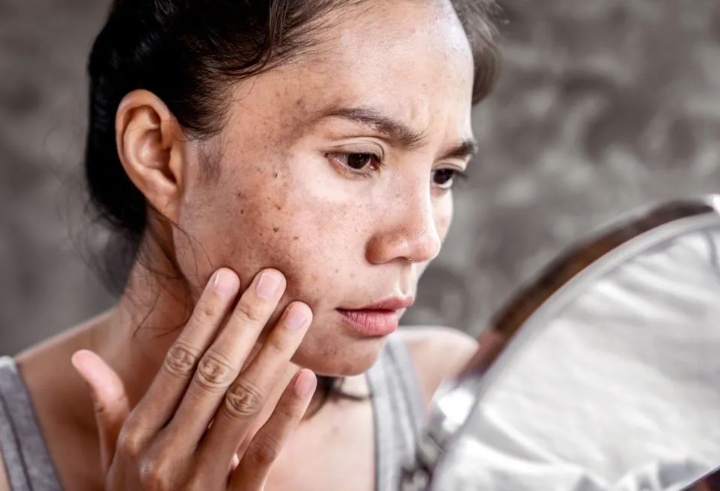
Dark spots, also known as hyperpigmentation, are a very common skin concern among teenagers and adults. They often appear after acne, sun exposure, skin irritation, or hormonal changes. Although they are harmless, many people look for ways to reduce their appearance and achieve a more even skin tone.
This article explains what causes dark spots, how to treat them safely, and daily habits that help prevent new ones from forming.
What Are Dark Spots?
Dark spots develop when the skin produces excess melanin, the pigment responsible for skin color. Certain triggers cause melanin to concentrate in specific areas, making parts of the skin appear darker than the surrounding areas.
Common forms include post-inflammatory hyperpigmentation, which appears after acne or skin injury; sun spots caused by prolonged exposure to ultraviolet rays; and melasma, which is linked to hormonal changes and often shows up on the cheeks or forehead.
Causes of Dark Spots
Sun exposure is one of the main causes of pigmentation. Ultraviolet rays stimulate melanin production, which can deepen existing spots and create new ones. Acne and skin injuries can also leave marks after healing, especially in melanin-rich skin tones. Hormonal fluctuations during adolescence or periods of stress may lead to uneven pigmentation. In addition, harsh or irritating skincare products can damage the skin barrier and worsen discoloration.
Effective Skincare Ingredients for Dark Spots
Certain ingredients are known to gradually improve uneven skin tone when used consistently. Vitamin C helps brighten the skin, supports protection against environmental damage, and improves overall radiance. Niacinamide, also known as vitamin B3, reduces the appearance of dark spots while strengthening the skin barrier and calming inflammation, making it suitable for sensitive or acne-prone skin.
Alpha arbutin works by slowing melanin production, helping dark areas fade gradually without excessive irritation. Retinoids encourage faster skin cell turnover, which helps reduce acne marks over time, but they should be introduced slowly and used at night. Chemical exfoliants such as glycolic acid, lactic acid, and salicylic acid remove dead skin cells, allowing pigmentation to fade more efficiently when used moderately.
The Importance of Sunscreen
Daily sunscreen use is one of the most effective ways to manage dark spots. Sun protection prevents pigmentation from becoming darker, reduces the formation of new spots, and allows treatment products to work effectively. A sunscreen with SPF 30 or higher should be applied every morning and reapplied when spending extended time outdoors, even on cloudy days.
A Simple Skincare Routine for Dark Spots
In the morning, cleanse the skin gently, apply a vitamin C or niacinamide serum, follow with a moisturizer, and finish with sunscreen. At night, cleanse again, apply a treatment product such as a retinoid or chemical exfoliant on alternating nights, and seal in moisture with a good moisturizer. Maintaining consistency is more important than using many products at once.
Habits That Support Faster Fading
Avoid picking or squeezing pimples, as this can deepen pigmentation. Keeping the skin hydrated and introducing new products gradually helps prevent irritation. Adequate sleep, hydration, and patience are also important, since visible improvement usually takes several weeks or months.
Common Mistakes to Avoid
Using multiple strong active ingredients at the same time can irritate the skin and worsen dark spots. Skipping sunscreen, scrubbing the skin aggressively, or expecting immediate results can also slow progress. Skin renewal is gradual, and noticeable changes typically appear after six to twelve weeks of consistent care.
Natural Remedies and Their Role
Gentle natural ingredients such as aloe vera, green tea extract, and licorice root extract may provide mild brightening and soothing effects. However, harsh home remedies like lemon juice or baking soda should be avoided because they can irritate the skin and increase pigmentation.
When Professional Help Is Needed
A dermatologist should be consulted if dark spots spread quickly, become severe, appear hormone-related, or do not improve after several months of consistent skincare. Professional treatments and prescription products may be recommended in such cases.
Conclusion
Reducing dark spots requires patience and consistent skincare rather than quick solutions. Protecting the skin from the sun, using proven brightening ingredients, avoiding irritation, and maintaining a simple routine can gradually lead to clearer and more even-toned skin.