


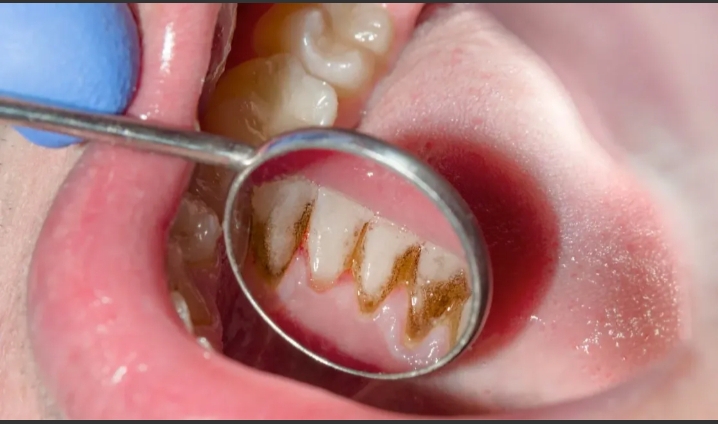
Gum disease, also called periodontal disease, is a widespread oral health condition that affects the gums and the structures that support the teeth. It usually develops when oral hygiene is poor, allowing bacteria to accumulate around the gum line. If not treated early, the condition can result in tooth loss and other dental problems. Knowing the symptoms and available treatments is important for maintaining healthy gums.
Understanding Gum Disease
Gum disease occurs when plaque, a layer of bacteria that forms on teeth, is not properly removed. Over time, plaque hardens into tartar, which irritates the gums and causes inflammation and infection.
There are two major stages of gum disease:
- Gingivitis: The early stage involving swollen and inflamed gums without permanent damage.
- Periodontitis: A more serious stage where the infection damages the gums and the bone supporting the teeth.
Symptoms of Gum Disease
Symptoms may differ depending on how advanced the condition is. Common signs include:
- Swollen or reddish gums
- Bleeding while brushing or flossing
- Continuous bad breath
- Gums pulling away from the teeth
- Loose or sensitive teeth
- Discomfort during chewing
- Spaces or pockets forming between gums and teeth
Because early gum disease may not cause pain, routine dental examinations are important.
Causes and Risk Factors
Several factors contribute to the development of gum disease, such as:
- Inadequate oral hygiene habits
- Smoking or use of tobacco products
- High sugar intake
- Hormonal changes
- Medical conditions like diabetes
- Poor nutrition
Treatment Methods
Treatment focuses on eliminating infection and preventing further damage to the gums and teeth.
Professional Cleaning
In mild cases, dentists perform professional cleaning to remove plaque and tartar, helping the gums recover.
Deep Cleaning (Scaling and Root Planing)
For more advanced disease, deep cleaning removes bacteria beneath the gum line and smooths tooth surfaces to promote healing.
Medications
Antibacterial mouthwashes, gels, or antibiotics may be recommended to control bacterial infection.
Surgical Procedures
Severe cases may require surgery to clean deep gum pockets or repair damaged tissues.
Prevention and Home Care
Maintaining proper oral hygiene helps prevent and manage gum disease. Important practices include:
- Brushing teeth twice daily using fluoride toothpaste
- Flossing regularly
- Using antiseptic mouthwash
- Eating a nutritious diet
- Avoiding tobacco use
- Visiting the dentist regularly for checkups
Conclusion
Gum disease can be prevented and effectively treated when identified early. Paying attention to warning signs such as bleeding gums and persistent bad breath allows for timely treatment. Consistent oral hygiene and regular dental visits are essential for keeping gums healthy and teeth strong.