


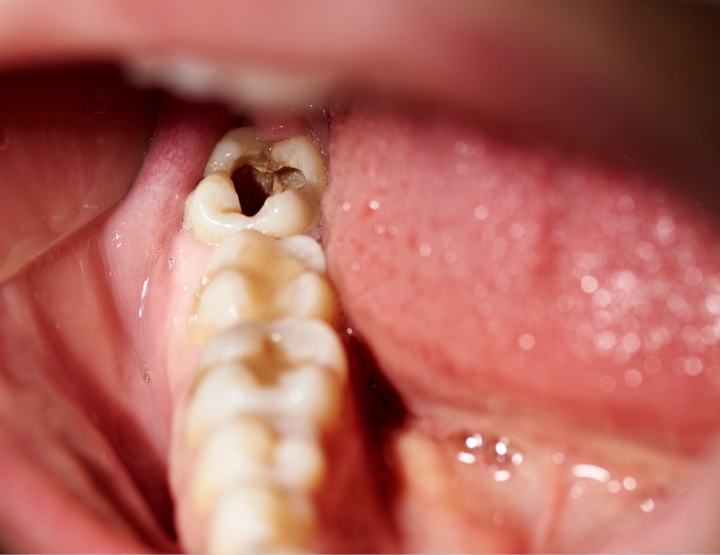
Tooth decay, often referred to as cavities, is a widespread oral health issue that affects people of all ages. It occurs when the outer layer of the teeth is damaged by acids produced by bacteria in the mouth. If not treated early, it can result in discomfort, infection, and even tooth loss. Knowing what causes tooth decay and how to prevent it is key to maintaining strong and healthy teeth.
What Leads to Tooth Decay?
Tooth decay usually develops due to several contributing factors:
1. Accumulation of Plaque
Plaque is a thin, sticky layer of bacteria that forms on the teeth. When sugary or starchy foods are consumed, these bacteria produce acids that gradually wear away the tooth enamel.
2. High Intake of Sugary Foods and Drinks
Regular consumption of sweets, soft drinks, and other sugary items provides fuel for bacteria, allowing them to produce more acid that harms the teeth.
3. Inadequate Oral Care
Failing to brush and floss properly allows plaque to remain on the teeth, where it can harden into tartar and increase the likelihood of decay.
4. Insufficient Fluoride
Fluoride helps to protect and strengthen enamel. Without enough of it, teeth become more vulnerable to damage from acids.
5. Reduced Saliva Production
Saliva helps cleanse the mouth and neutralize harmful acids. A dry mouth, which can result from dehydration or certain medications, raises the risk of cavities.
6. Tooth Structure
Teeth with deep grooves or uneven surfaces can trap food particles and bacteria, making them more susceptible to decay.
7. Frequent Exposure to Acidic Substances
Regular intake of acidic foods and drinks, such as citrus and carbonated beverages, can weaken enamel and increase the chances of decay.
Ways to Prevent Tooth Decay
Good oral hygiene and healthy lifestyle choices can help prevent tooth decay:
1. Brush Consistently and Correctly
Clean your teeth at least twice daily using fluoride toothpaste and proper brushing methods to remove plaque effectively.
2. Floss Every Day
Flossing helps eliminate debris and plaque from areas between the teeth that brushing alone cannot reach.
3. Cut Down on Sugar and Acidic Foods
Limiting these foods reduces the amount of acid produced in the mouth. Rinsing with water after consumption can also help.
4. Stay Hydrated
Drinking enough water supports saliva production, which naturally protects your teeth.
5. Use Fluoride-Based Products
Fluoride strengthens enamel and helps guard against cavities.
6. Schedule Regular Dental Check-Ups
Routine visits to the dentist help detect problems early and keep your teeth in good condition.
7. Apply Dental Sealants
Sealants can be used to cover the chewing surfaces of back teeth, preventing food and bacteria from settling in hard-to-clean areas.
8. Eat a Nutritious Diet
Consuming foods rich in essential nutrients, especially calcium, promotes strong teeth and healthy gums.
Conclusion
Tooth decay is largely preventable with the right habits and awareness. By understanding its causes and taking proactive steps such as maintaining good oral hygiene and making smart dietary choices you can protect your teeth and enjoy a healthy smile for years to come.