


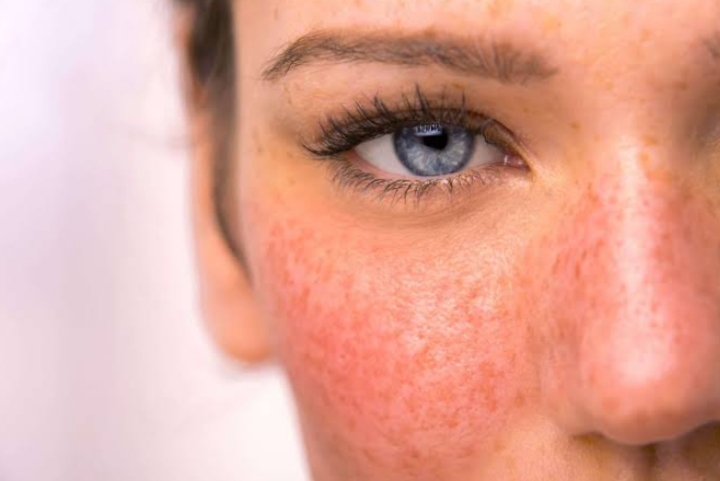
Rosacea is a long-term skin condition that commonly affects the face, leading to redness, visible blood vessels, and sometimes small bumps that resemble acne. Although there is no permanent cure, it can be controlled effectively through proper skincare, lifestyle changes, and medical support. The key to managing rosacea lies in understanding your skin and maintaining a consistent routine.
This condition usually appears as ongoing redness across areas like the cheeks, nose, forehead, and chin. Some individuals may also experience dryness, irritation, or a burning sensation. Since symptoms can come and go, managing rosacea requires patience and awareness of factors that may trigger flare ups.
Recognizing and avoiding triggers is one of the most important steps in controlling rosacea. Common causes of flare-ups include sun exposure, hot temperatures, spicy foods, alcohol, emotional stress, and the use of harsh skincare products. Keeping track of when symptoms worsen can help you identify patterns and make better choices to reduce irritation.
Using gentle skincare products is essential for sensitive skin affected by rosacea. Opt for mild, fragrance-free cleansers that won’t strip away natural oils. Avoid abrasive scrubs, strong exfoliants, and products containing alcohol or other irritating ingredients. Instead, choose soothing formulations that help calm and protect the skin.
Regular moisturizing can help ease dryness and strengthen the skin barrier. Ingredients such as ceramides, niacinamide, and aloe vera are known for their calming properties and can help reduce redness. Applying moisturizer to slightly damp skin can improve its effectiveness.
Daily sun protection is crucial, as sunlight is a major trigger for rosacea symptoms. A broad-spectrum sunscreen with SPF 30 or higher should be used every day. Mineral-based sunscreens, especially those containing zinc oxide or titanium dioxide, are often better suited for sensitive skin.
For more persistent or severe cases, medical treatment may be necessary. Dermatologists may recommend topical or oral medications to reduce inflammation and redness. In some situations, laser or light therapies can be used to minimize the appearance of visible blood vessels.
Making certain lifestyle adjustments can also improve symptoms. Managing stress through activities like exercise, relaxation techniques, or meditation can help prevent flare-ups. Maintaining a healthy diet and avoiding foods that trigger reactions can further support skin health.
It’s also important to avoid extreme temperatures, as both heat and cold can irritate the skin. Washing your face with lukewarm water and protecting your skin during harsh weather conditions can help reduce discomfort.
Although rosacea can be difficult to manage, consistent care and mindful habits can significantly reduce its impact. By combining gentle skincare, trigger avoidance, sun protection, and professional guidance, you can maintain a calmer and healthier complexion.