


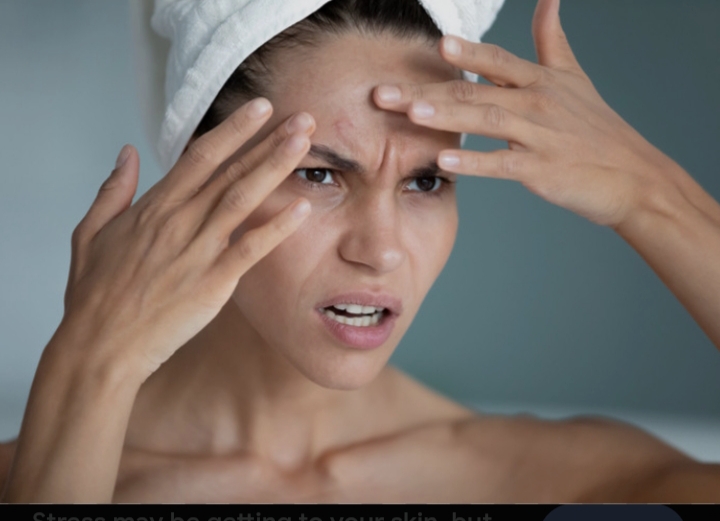
Stress impacts more than just your mood it can have noticeable effects on your skin. When the body is stressed, it triggers hormonal and physiological responses that can worsen skin conditions such as acne, eczema, psoriasis, and even accelerate signs of aging. Understanding how stress affects the skin and using natural methods to counteract it can help maintain a healthy, glowing complexion.
The Effects of Stress on Skin
- Excess Oil and Acne Breakouts
Stress stimulates the production of cortisol, the body’s “stress hormone.” Elevated cortisol levels increase oil secretion from the sebaceous glands, which can clog pores and trigger acne flare-ups. Stress also intensifies inflammation, making existing acne more severe.
- Increased Skin Inflammation
Stress activates inflammatory pathways in the body, which can worsen conditions like eczema, rosacea, and psoriasis. Inflammation compromises the skin’s barrier, making it more prone to redness, irritation, and sensitivity.
- Slower Skin Repair
High stress levels can slow the skin’s natural healing processes. Cortisol reduces cellular regeneration, meaning cuts, acne lesions, or other skin damage may take longer to heal.
- Premature Aging
Chronic stress contributes to premature aging by producing free radicals that damage collagen and elastin the proteins that maintain skin elasticity. Over time, this can lead to fine lines, wrinkles, sagging, and dull looking skin.
- Heightened Skin Sensitivity
Stress can make the skin more reactive to environmental triggers such as UV exposure, pollution, and harsh skincare products. This may result in dryness, itching, redness, and rashes.
Natural Ways to Support Stress Impacted Skin
- Mindfulness and Relaxation Practices
Techniques such as meditation, deep breathing, and yoga help lower cortisol levels, calming the mind and reducing stress related skin issues like inflammation and acne.
- Quality Sleep
Sleep is critical for skin repair and regeneration. During deep sleep, the body produces growth hormones that restore skin cells. Aim for 7–9 hours per night to help reduce stress-induced skin damage.
- Healthy, Balanced Diet
Eating a nutrient rich diet supports both stress management and skin health. Antioxidant-rich foods like berries, leafy greens, and nuts fight free radicals, while omega-3 fatty acids in fish, flaxseed, and walnuts help reduce inflammation. Staying well-hydrated keeps skin supple and resilient.
- Regular Physical Activity
Exercise lowers stress while improving circulation, delivering oxygen and nutrients to the skin. Activities like walking, swimming, running, or dancing can help regulate cortisol levels and promote a radiant complexion.
- Gentle Skincare and Self Care
Using soothing, natural skincare ingredients like aloe vera, chamomile, green tea, and oatmeal can calm irritated skin. Avoid harsh cleansers and over-washing, which can worsen sensitivity caused by stress.
- Reduce Caffeine and Alcohol
Too much caffeine or alcohol can increase stress and dehydrate the skin. Limiting these can help balance hormones, reduce inflammation, and maintain hydration.
- Social Support and Connection
Spending time with friends, family, or support networks can reduce stress levels. Lowering cortisol through social support also indirectly benefits skin health.
Conclusion
Stress can significantly affect the skin, causing acne, inflammation, increased sensitivity, delayed healing, and premature aging. While occasional stress is natural, chronic stress can harm the skin if left unmanaged. Incorporating natural practices such as mindfulness, adequate sleep, a nutritious diet, exercise, gentle skincare, and strong social connections can help counteract stress and support healthier, more resilient skin.
Taking care of your stress levels isn’t just good for your mental health it’s also key to maintaining a clear, vibrant complexion. Consistent natural strategies can improve both your emotional well-being and your skin’s overall health.